
Best Apple Pay Betting Sites in Great Britain — What It Actually Costs You
 Available in US
*Current as of 27 October 2026 and verified against the UK Gambling Commission’s public register.*
A wallet tap does not change the maths of betting. What it changes is who can take the deposit, how quickly winnings come back, and whether the bonus sitting on the landing page costs more to clear than it ever returns. That is the part the marketing strips out, and it is the part this page is written around.
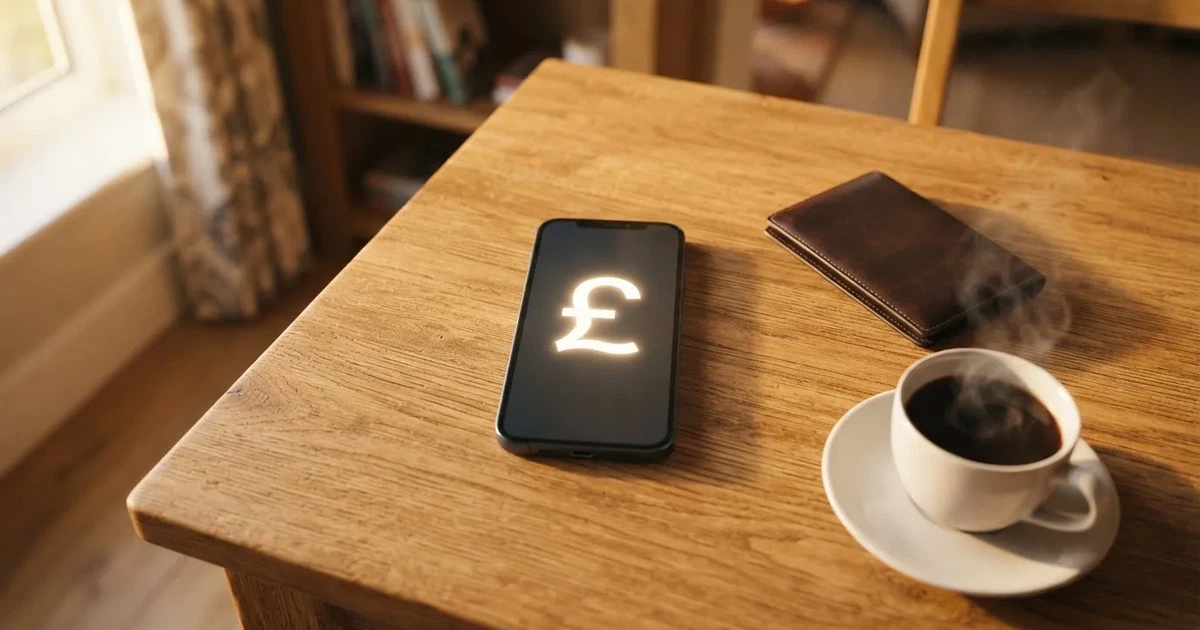
Apple Pay launched on 20 October 2014 with US-issued cards only and reached UK-issued cards on 14 July 2015. In the decade since, it has become one of the default deposit methods on British betting apps — every operator in this guide accepts it on iOS, and the value being offered matters more than the badge on the cashier. The cost question is what separates the brands below: a £5 deposit floor versus a £20 one, an instant payout versus a 48-hour wait, a verification process completed in seven minutes versus three days. Each of those is a real number a reader weighs before tapping a card to a phone.
Responsible Gambling Tools: What GB-Licensed Sites Must Actually Offer
Every online bookmaker holding a Gambling Commission remote licence is bound by the same set of player-protection rules, and most of them cost the operator more than they cost the bettor. The shape of those rules decides whether a brand earns its place on a list.

GAMSTOP is the centre of the system. A customer who self-excludes through the national scheme is blocked from every GB-licensed online site and app at once, for six months, one year, five years, or five years with auto-renewal; after the minimum period the exclusion stays in place for a further seven years unless the customer asks to remove it. The scheme has been a mandatory licence condition for online operators since 31 March 2020. Betting shops run a separate opt-out system, which is why the same bettor can be barred from an app and still place a slip in a high-street bookmaker. Knowing the difference matters for someone using a self-exclusion to recover control, because excluding from online only leaves the shop counter open.
The next layer is the financial vulnerability check. Since 28 February 2025, a licensed remote bookmaker must run a public-record check on any customer whose deposits minus withdrawals exceed £150 in a rolling 30-day window — a bankruptcy register, a county-court judgment list, the public-record kind of search, not a credit reference check. The £150 threshold is low enough that most active bettors hit it within a month. The check is fast on clean records and slow on messy ones, which is why a freshly opened account can hit a deposit pause for two or three days until the result returns.
Financial risk assessments sit above vulnerability checks in the same regime. They are the checks the press calls “affordability checks”, and at present they are announced in a staged plan with no confirmed start date — the Commission’s article of 7 July 2026 sets the roadmap but stops short of a “from” date. The right wording on a page like this is “announced, staged, no start date”. Anyone selling an “affordability check now in force” claim is selling something the Commission has not published.
Deposit limits are the daily-and-monthly self-set kind. Remote Technical Standard 12 forces every GB-licensed operator to give customers a gross deposit cap they can move themselves, with the first changes applied since 31 October 2025 and a second phase sitting at 30 September 2026. Whether the second phase is live in practice is not established; the practical move for a reader is to set the limit on day one and treat any later drop as a personal decision, not a regulator-driven event.
Age and identity run in the same direction. Minimum age is 18 in Great Britain, and name, address and date of birth are verified before the first deposit or bet — including with a free bet or bonus, the no-deposit trigger the marketing sometimes forgets. The verification has been the rule since 7 May 2019. Apple Pay’s tokenisation does nothing to soften this: the card behind the wallet still names the customer, and the operator still has to check that name against a UK ID database before a withdrawal will pay out.
Help lines come with the regime, and every reviewed brand links to at least one. GamCare runs the National Gambling Helpline; GambleAware funds treatment; the NHS runs gambling clinics across the regions; Gamblers Anonymous runs peer meetings. A licensed site is required to surface those links. An unlicensed one is not, and that difference is the practical measure of “safe” in this market.
Crypto, Anonymity and Apple Pay: The Reality of the Search Terms
Search terms like “anonymous Apple Pay betting” and “no KYC Apple Pay sports betting” carry a promise the British market does not keep. Every operator in this guide verifies identity before the first deposit. No GB-licensed brand offers anonymous play, and the same goes for any operator that the Commission would license in principle. The phrase “anonymous betting site” in the British context refers to brands licensed outside Great Britain — Curaçao, Malta, Gibraltar — which fall under their own rules and not the Gambling Act 2005.

The concrete cost of choosing one of those is laid out in the offshore section later: no GAMSTOP coverage, no Commission complaints route, no approved dispute-resolution body, no British consumer redress if funds are withheld, no obligation to honour a £150 vulnerability check or the 10x bonus cap. Anonymous in the marketing language usually means “we do not run the same checks”, and what it costs the customer is a complete loss of the British safety net.
Crypto deposits follow a similar pattern. No statutory rule bars a licensed operator from taking Bitcoin or stablecoin deposits, and the Commission’s public register lists no rule either way — so whether a brand takes them is a fact of each operator’s own terms, not a regulatory verdict. None of the ten operators reviewed here advertise crypto on the homepage, and the clearest explanation for that silence is that British customers mostly pay with debit cards, bank transfers and Apple Pay. The brands have not built a crypto cashier for a market that does not demand one. Crypto is not a mainstream feature of the British betting landscape.
Tokenisation, the security claim Apple Pay makes most often, is the one piece of the picture that holds up. Apple Pay replaces the real card number with a device-specific Device Primary Account Number, generates a dynamic security code per transaction, and the live card number never touches the bookmaker’s servers. A card compromise at the operator does not expose the underlying card. That is genuine protection against card-database theft — the kind of breach that has hit high-street retailers more than gambling sites — and it is the part of Apple Pay the brand can claim without softening.
The European Commission’s 2020 investigation into whether Apple abused iPhone NFC hardware to lock rival contactless wallets out is part of the same architecture. NFC is the radio Apple Pay uses for in-store taps; on a phone the tap-to-pay experience runs through Apple’s stack, which is why Android users land on Google Pay and iPhone users land on Apple Pay. For online checkout — the use case on a betting site — the radio is irrelevant and the wallet is just a payment selector. That is the practical sense in which Apple Pay matters on a betting app: it is a tokenised card, and the tokenisation stays the same wherever the wallet sits.
Bonuses and Free Bets: The Cost of the Headline Number
The free-bet headline is the most expensive sentence on a betting site, and the cost is almost never in the number printed. Two of the ten operators in this guide run the same headline — “Get £40 in Free Bets when you bet £20” — and reading the two pages side by side is the cheapest lesson in bonus maths a reader can get.
A free bet is a fixed-value credit the customer bets with their own money first. Coral’s “bet £20, get £40 in free bets” needs a £20 deposit and a £20 sports bet at minimum odds of 2.0 (1/1), with the £40 in free bets issued within seven days and expiring seven days after issue; Unibet’s version reads almost word-for-word the same. The £40 is the headline. The cost is the qualifying bet and the free-bet terms: free bets whose stake is not returned with a win, with an expiry clock from the moment of issue, with a market mix the operator chooses. Across the sector, free-bet stake not returned is the rule; cash-back-as-free-bet is not a refund in money.
Quantitative read of Coral’s headline: a qualifying £20 bet at odds of 2.0 carries an expected cost that depends on the margin of the market the £20 is placed in. Across a typical football 1X2 market with a margin around 5%, that £20 has an expected loss close to £1. The customer is then credited £40 in free bets. The £40 free bet, if used on the same kind of market, has an expected value of £40 minus a margin-driven haircut — somewhere around £38 — assuming the stake is not returned. The £38 figure is the answer to “what is the offer worth on average”, not what the offer wins. Under those numbers the package clears roughly £37 net to the customer after the qualifying bet’s expected cost. That is a useful free bet, not an extravagant one.
The minimum price clause is the lever the marketing rarely mentions. Minimum odds of 2.0 (1/1) blocks the obvious routes — backing a heavy favourite at 1.10 — and forces the qualifying bet into a market with a wider spread and a higher margin. The same brand on a 1.10 favourite would have a smaller expected loss on the £20, and would also forfeit the bonus. The clause is a trade, and it is the kind of trade a reader should notice.
Bonus terms in force since 19 January 2026 cap the wagering requirement at 10x, which constrains the worst offenders but lets mid-sized offers through. The cap means a £10 bonus at 50x wagering — £500 of qualifying bets before withdrawal — is now unlawful for a GB-licensed brand; the same £10 bonus at 10x needs £100 of qualifying bets. Nothing in the rule stops a brand offering £10 with no wagering condition at all, and that is the format worth chasing. Mixed-product bonuses — “bet on football, get free spins” — are banned outright under the same set of rules, so a casino-spin sweetener attached to a sportsbook offer is no longer lawful in Great Britain.
Bet Ahoy runs a different shape: a 10% acca bonus up to £1,000, Sub-Cover on player substitutions, Best Odds Guaranteed on UK and Irish horse and greyhound racing up to £100, and Double Result payout on UK and Irish racing. The mechanics are different from Coral and Unibet — the bonus is paid on top of accumulators that win, not credited as free bets — which changes the expected-value calculation. The £1,000 cap and the 10% rate together mean a winning acca pays the usual winnings plus an extra 10%, capped at £1,000, and the bonus is paid in cash with no wagering. A 10% acca bonus paid in cash, with no rollover, has a known cost: the marginal margin on the extra leg the customer added to hit the qualifying accumulator. It is one of the cleaner offers on the list.
BoyleSports’ early-payout feature is not strictly a bonus but it sits in the same category of headline value. Football bets pay out if the chosen team goes two goals ahead; basketball at 20 points; rugby and NFL at 16; boxing after a knockdown. The promotion pays out regardless of the final result, and that shifts a long-shot outcome (a collapse from a two-goal lead) off the bet. The cost to BoyleSports is the extra payout on those wagers, and the offer is the kind that often shows up in headline advertising — it does not require a minimum deposit or a wagering requirement.
Payments and Payout Speed: The Real Cost of Cashier Choice
Payments are the place where what Apple Pay actually does on a betting site becomes clear. The wallet is a tokenised card at checkout. Deposits land instantly — the funds move from the bank card behind the wallet to the bookmaker in the same flow as a chip-and-PIN tap, with Face ID or Touch ID authorising the transfer. Withdrawals are a different story, because Apple Pay is a one-way rail for most operators: the return goes back to the same card the deposit came from, and the timing depends on the card scheme.
Visa withdrawals through Fitzdares are usually same-day. Mastercard withdrawals can take up to 48 hours. That 48-hour window is a Fitzdares-specific figure, but the gap between the two schemes sits across the sector — Visa’s faster settlement infrastructure and Mastercard’s authorisation flow account for most of the difference. A reader who values fast withdrawals has a concrete reason to prefer a Visa-funded Apple Pay card over a Mastercard-funded one.
The minimum deposit is the smaller but more frequent cost. DAZN Bet sets the floor at £5 for debit cards, Apple Pay, Paysafecard, Trustly and Skrill, and £20 for PayPal — with no processing fees. The £5 floor is one of the lowest on the list and turns out to matter for two kinds of bettors: a casual accumulator player spending a fiver at a time, and anyone testing the cashier with a small first deposit before committing. Other operators in the list set their floor above £5 by default, which is worth knowing before opening an account.
Payment methods on a British cashier come pre-shaped by regulation. Credit cards have been banned for gambling in Great Britain since 14 April 2020 — the LCCP condition 6.1.2 covers any credit-funded path, including the credit-card-funded side of an e-wallet. The ban is the rule, and the cashier reflects it: no operator in this guide accepts credit, and no operator should. Debit cards and bank-based payments are unaffected, which is why the Apple Pay wallet on an iPhone works through the debit card behind it.
QuinnBet’s cashier describes the shape that is now standard across GB-licensed sites. The brand takes debit cards, Apple Pay and Open Banking, plus Revolut cards; Skrill and Neteller deposits are not accepted. The Revolut acceptance is a useful data point for anyone whose primary card is a Revolut — the brand will accept it where some others decline it. QuinnBet’s exclusion of Skrill and Neteller is also typical: bonus abuse and laundering risk have pushed several major brands to drop e-wallet deposits, which is why Open Banking is gaining the share that Skrill and Neteller lost.
NetBet’s app supports Instant Payments to bank, Apple Pay, PayPal and debit card, and Face ID or Touch ID login. Midnite takes Visa, Mastercard, Apple Pay, Google Pay and Trustly. bet365 takes debit card, PayPal and Apple Pay, with Face ID login on supported devices. The pattern across the ten brands is the same: debit cards, Apple Pay, one or two e-wallets, often an Open Banking rail. A reader comparing operators on payment variety will find more differences in withdrawal times than in deposit methods, because the deposit side is now nearly interchangeable.
A practical cost the page has to surface is the verification clock. Identity verification happens before the first deposit at every GB-licensed brand. The fastest path runs a selfie match against a passport in two or three minutes. The slowest path runs a manual review for two to three days. Verification blocks withdrawals too — a £50 withdrawal on a freshly verified account can sit for 24 hours while the cashier runs a first-time source-of-funds check. That delay is the cost of paying through a regulated brand, and an unlicensed site can offer faster withdrawals only because the same checks are not being run.
Top 10 Apple Pay Betting Sites: How the Comparison Holds Together
The ranking that follows is built on four things a reader can actually compare: the Gambling Commission licence behind the brand, the deposit floor and the fees on the cashier, the withdrawal time for Visa and Mastercard, and the cost-versus-headline read on whatever welcome offer the brand runs. Every operator below has been checked against the Commission’s public register on 27 October 2026.
The breadth on display is wide on purpose. BoyleSports and Coral are household names with full sport coverage and a saturated schedule; Bet Ahoy and Fitzdares pitch to a narrower bookmaker audience with niche features; QuinnBet and Star Sports sit in between, with deep market coverage and a less crowded price board. The point of putting them on one list is to let the comparison find the operator whose profile matches the reader.
| Brand | Gambling Commission remote licence | Licence holder | What the brand’s own terms state on Apple Pay |
|---|---|---|---|
| BoyleSports | 039469-R-319383-025 (Commission account 39469) | Boylesports Enterprise | Apple Pay deposits supported; early-payout feature on football (2-goal lead), basketball (20 points), rugby and NFL (16 points), and boxing after a knockdown |
| Star Sports | 009177-R-104555-019 (Commission account 9177) | Star Racing Limited | Apple Pay deposits supported; deposit limits, Play Break and self-exclusion available in My Account; app available in the UK and Ireland |
| QuinnBet | 061011-R-335683-004 (Commission account 61011) | QuinnBet (Gibraltar) Limited | Accepts debit cards, Apple Pay and Open Banking, plus Revolut cards; Skrill and Neteller deposits not accepted |
| Coral | 054743-R-330863-014 (Commission account 54743) | LC International Limited | Apple Pay deposits supported; welcome offer “Get £40 in Free Bets when you bet £20” at minimum odds of 2.0 (1/1), free bets expire seven days after issue |
| Fitzdares | 000400-R-103839-030 (Commission account 400) | Fitzdares Limited | Accepts Apple Pay, Mastercard and Visa; Visa withdrawals usually same-day, Mastercard withdrawals can take up to 48 hours |
| Unibet | 045322-R-324275-019 (Commission account 45322) | Platinum Gaming Limited | Apple Pay deposits supported; welcome offer “Get £40 in Free Bets when you bet £20” at minimum odds of 2.0 (1/1), free bets expire within seven days of issue, debit-card or instant bank transfer qualifying deposit |
| Bet Ahoy | 100094-R-341742-003 (Commission account 100094) | Bet Ahoy Ltd | Apple Pay deposits supported; 10% acca bonus up to £1,000, Sub-Cover on player substitutions, Best Odds Guaranteed on UK and Irish horse and greyhound racing up to £100, Double Result payout on UK and Irish racing |
| NetBet | 039170-R-319343-032 (Commission account 39170) | Netbet Enterprises Limited | Supports Instant Payments to bank, Apple Pay, PayPal and debit card; Face ID or Touch ID login available |
| bet365 | 055148-R-331498-002 (Commission account 55148) | Hillside (UK Sports) ENC | Apple Pay deposits supported alongside debit card and PayPal; Face ID login on supported devices |
| DAZN Bet | 048756-R-327274-019 (Commission account 48756) | DZBT Limited | Deposits from £5 by debit card, Apple Pay, Paysafecard, Trustly and Skrill, from £20 by PayPal, with no processing fees |
The cluster of four that pitches close to the casual bettor — bet365, Coral, Unibet and BoyleSports — runs the deepest sport schedules and the most saturated in-play coverage. The cluster of three that pitches to a sharper reader — Bet Ahoy, Fitzdares and QuinnBet — runs tighter price boards and narrower market depth. The middle two, Star Sports and DAZN Bet, sit on the boundary, with deep coverage on the events they focus on and a thinner line-up elsewhere. Comparing them on price alone is futile — a margin of 4.8% on a football 1X2 line at one operator is offset by a cash-out offer at another, and price alone does not capture the trade.
NetBet’s £5 minimum and instant payouts to bank make it the operator on this list that fits the smallest bankroll. DAZN Bet’s identical £5 floor makes it the strongest alternative for the same reader. Coral and Unibet, with the £20 minimum to clear a welcome offer, are pitched at readers willing to commit a higher qualifying stake for a free-bet package. Bet Ahoy’s acca bonus rewards a different shape of reader — someone running accumulators across a weekend — and the cash-paid bonus without a rollover is the cleanest mechanic on the table.
How Apple Pay Betting in Great Britain Actually Works
The phrase “Apple Pay betting sites” pulls search volume from two distinct reader intents: someone who has an iPhone and is looking for a bookmaker that takes Apple Pay so they do not have to type a card number, and someone who has heard the wallet is faster or safer and wants to know whether the marketing claim holds up. The two reader intents collapse onto one answer in this market.
On the iPhone side, the wallet workflow is identical at every operator in the list. The cashier shows an Apple Pay button alongside Visa, Mastercard and the e-wallets; the customer double-clicks the side button on a Face ID device (or the Home button on Touch ID models) to authorise; the deposit is confirmed at the bookmaker end and the funds are available immediately. The card number never leaves the device. On an Android device running the same bookmaker, the cashier button reads Google Pay and the workflow mirrors Apple’s exactly — same tokenised card behind the wallet, same dynamic security code per transaction, same one-tap authorisation. The reader experience is brand-agnostic at the deposit step.
The credit-card question is the first one the marketing never answers. Credit cards are banned for gambling in Great Britain, including the credit-card-funded side of an e-wallet. Apple Pay sits on top of a debit card or a prepaid card, both of which are accepted. A reader whose card is genuinely a credit card will have it declined at the cashier and should treat that as the regulation working as intended, not as a customer-service problem. A reader whose bank issues a dual-purpose card needs to check whether the merchant category code on the gambling site triggers debit or credit routing — most British banks route gambling MCCs to debit by default, but not all.
Identity verification is the second wall. The name on the Apple Pay card has to match the name on the betting account; a wife’s card, a parent’s card, a friend’s card will all fail at withdrawal time because the operator has to send the winnings to a verified account holder. The verification is run on the account, not the wallet — but the cards allowed to fund the account are restricted to the verified name. Joint accounts are the only soft exception, and even joint accounts sometimes fail the source-of-funds check at withdrawal.
The minimum deposit depends on the operator. £5 is the floor at DAZN Bet and NetBet on most methods; £10 is the standard elsewhere. The £20 floor at Coral and Unibet applies for welcome-offer qualification, not for ordinary deposits — a customer can deposit £5 to play at Coral, but the qualifying bet for the £40 free-bet promotion needs £20. The same is true at Unibet. Reading the two offer pages carefully before opening the account saves the qualifying-stake reset.
Withdrawals are the timing risk. Apple Pay is one-way at most operators: the return goes to the same card the deposit came from. The card scheme sets the timing: Visa typically settles in hours, Mastercard in 1-2 working days. E-wallet returns to PayPal or Revolut are usually same-day where the operator supports them. The single fastest combination on this list is a debit card funded by Apple Pay, used at an operator that processes Visa withdrawals the same day — and that combination is Fitzdares on its own published terms. Operators that route Apple Pay deposits to a Visa debit card will return the withdrawal to the same Visa debit through the same scheme.
Regulation, Verification and the Legal Frame
A bookmaker taking bets from a customer in Great Britain needs a Gambling Commission remote licence wherever the operator is based. The point-of-consumption regime has been the rule since the Gambling (Licensing and Advertising) Act 2014 — sections 33 and 36 of the Gambling Act 2005 as amended — and a Curaçao, Maltese or Gibraltar licence does not substitute for it. Several reviewed operators are themselves based in Gibraltar — QuinnBet under QuinnBet (Gibraltar) Limited, Unibet under Platinum Gaming Limited — but they each hold a Commission licence in addition to their home-jurisdiction licence. The Commission’s licence is what gives a customer in Great Britain the right to complain to an approved dispute-resolution service and the right to be covered by GAMSTOP.
Age and identity come with the licence. Minimum age 18 has been the rule for decades; since 7 May 2019, name, address and date of birth are verified before a customer can deposit or gamble, including with a free bet. The verification uses document checks and usually a live selfie match; on the slow path that takes two to three days, on the fast path two or three minutes. Either way the verification happens before the first deposit, which means the £5 deposit someone made to test a brand last week would not be possible today until the verification has cleared. Refunding a deposit to an unverified customer because the customer changed their mind is one of the standard disbursement paths at every reviewed brand.
The general duty side of the picture is a clean £0 for the customer. There is no tax on betting winnings in Great Britain — General Betting Duty is the operator’s tax, currently 15% on gross profits, with a remote rate of 25% applying from 1 April 2027 within the same duty. The remote rate is the operator’s cost, not the customer’s; whether it shows up in tighter margins from 1 April 2027 is one of the open questions of the next twelve months, and operators have not announced margin moves yet. A professional gambler is in a different position and should ask HMRC or an adviser; the page is written for the recreational customer.
The financial picture around the bonus cap is more concrete. Since 19 January 2026 the wagering requirement on a bonus is capped at 10x — a £10 bonus at 50x wagering is no longer lawful at a GB-licensed operator. The cap is a hard ceiling. Mixed-product promotions are banned outright: a brand cannot offer free spins on casino to a customer who has placed a sports bet. The shape of welcome offers on the British market has compressed as a result, and the two £40-on-£20 free-bet offers reviewed earlier are typical of the new normal — short, simple, and capped.
The US Consumer Financial Protection Bureau brought large nonbank digital wallet operators, Apple Pay among them, under bank-like federal oversight in November 2024. The rule does not bind a British customer at a British bookmaker; it changes the regulatory posture of Apple Pay in the United States, and it matters to a British reader only because the same wallet is in their pocket. The European Commission’s 2020 investigation into Apple’s NFC control is in the same category — a regulatory fact about the wallet, not a regulation the reader has to act on at the cashier.
BoyleSports: Early Payouts on a Standard British Schedule
BoyleSports is a Commission-licensed operator on its own terms — Boylesports Enterprise is the licence holder, and the brand runs the standard British schedule of football, horse racing, greyhound racing and a deep in-play offering. The early-payout feature is the headline: football bets pay out if a team goes two goals up, basketball at 20 points, rugby and NFL at 16 points, boxing after a knockdown. The mechanic settles the bet as a winner the moment the trigger is hit, regardless of the final result.
The cost to the bettor sits in the price board. Early-payout features are funded the way every promotion is funded — out of margin. A market with an early-payout clause is priced tighter than a market without one, all else equal. The right way to read BoyleSports is not as a brand offering a free option, but as a brand offering a slightly lower margin in exchange for the early-settlement clause. For a reader who backs favourites in the named sports, the early payout is genuinely worth the price; for a reader who backs long shots, the tighter margin hurts more than the early payout helps.
On the cashier, BoyleSports supports Apple Pay alongside the standard British methods. The brand is comparable to bet365 on payment variety and lighter on the welcome-offer depth. The read for a reader choosing BoyleSports over a competitor: a deep British racing schedule, a competitive price board on football, an early-payout mechanic that pays real money on the trigger conditions.
Star Sports: A Smaller Brand with a Full Safety Suite
Star Racing Limited sits behind the Star Sports brand on the Commission register — account number 9177, a remote general betting licence. The app is available in the UK and Ireland; the safety suite runs deposit limits, Play Break and self-exclusion through the My Account screen. The control architecture is what a smaller bookmaker is required to deliver, and Star Sports’ My Account surface is functional without being overbuilt.
The market coverage at Star Sports is narrower than at the big four. Football, horse racing and boxing are the focus, with adequate but not exceptional depth. Apple Pay is one of the deposit methods the cashier supports, and a £5 deposit floor is standard. The brand is worth a look for a reader who wants a smaller firm’s customer list without giving up the GAMSTOP coverage and the LCCP controls of a Commission licence.
Worth picking: a customer who wants a smaller, more focused bookmaker with the same British regulatory cover as a major brand. Worth passing: a reader running an accumulator-heavy weekend who needs Bet Ahoy’s 10% acca bonus or BoyleSports’ depth.
QuinnBet: Open Banking on the Front of the Cashier
QuinnBet’s most striking cashier feature is Open Banking. QuinnBet accepts debit cards, Apple Pay and Open Banking, plus Revolut cards, and does not accept Skrill or Neteller deposits. The Open Banking rail cuts out the card layer entirely — the customer picks the bank, signs in to the bank’s app, approves the payment, and the funds land at the bookmaker without a card number being typed. For a customer with Revolut as the primary current account, the Revolut card route is the simplest fit.
The licence is held by QuinnBet (Gibraltar) Limited, on Commission account 61011. The brand sits in the middle of the price-and-depth trade-off: deeper market coverage than the niche brands, narrower schedule than the major three, and tighter in-play than bet365. For a reader who values Open Banking and a Revolut-friendly cashier, QuinnBet is one of the obvious picks on this list.
The cost the cashier hides is the e-wallet exclusion. Skrill and Neteller deposits are not accepted, so a customer whose primary e-wallet is one of the two will be pushed to the card path or to Open Banking. The trade is a fair one — Skrill and Neteller carry a charge on the user’s side for funding the wallet, which is often why bookmakers prefer to cut them out — but the e-wallet customer should know before they sign up.
Coral: The Standard £40 Free Bet at a £20 Entry
Coral’s welcome offer is the format other brands benchmark against: “Get £40 in Free Bets when you bet £20”. A deposit and sports bet of £20 or more at minimum odds of 2.0 (1/1), with £40 in free bets issued within seven days and expiring seven days after issue, for new GB customers who opt in. The mechanic is identical to Unibet’s, and the read is identical: the £40 is the headline, the qualifying £20 bet is the cost.
The price board at Coral is competitive on football and racing. The in-play offering is one of the deepest on the British market, and the schedule is broad. LC International Limited holds the licence on Commission account 54743, and Coral sits alongside Ladbrokes under the same parent group; both share the licence holder and the same customer-protection infrastructure. Whether a customer signs up at Coral or Ladbrokes is largely a question of which price board they prefer and which app they find easier to navigate.
The verdict on Coral turns on the welcome offer. The £40 in free bets at a £20 qualifying stake is a fair package: it costs the bettor about £1 in expected margin on the qualifying bet and returns roughly £38 in free-bet value, net to the customer around £37. The minimum odds of 2.0 force the qualifying bet into a wider-spread market, which is the marketing point the brand would rather leave out. A reader who plans the qualifying bet on a match they would have backed anyway — avoiding the 1.10 favourites — captures the headline at the lowest cost.
Fitzdares: Apple Pay With Same-Day Visa Withdrawals
Fitzdares is the operator on this list where the cashier is the headline. Apple Pay is one of the deposit methods the brand accepts, alongside Mastercard and Visa; Visa withdrawals are usually same-day, and Mastercard withdrawals can take up to 48 hours. The 48-hour gap is the Mastercard authorisation flow, and the same-day figure on Visa is the cashier’s selling point.
The brand profile is premium — Fitzdares pitches to a higher-stakes customer with a tighter book and a deeper racing focus. The licence sits under Fitzdares Limited on Commission account 400, which is one of the older remote general betting standard licences and predates the Commission’s current numbering scheme. The long-lived licence is a useful data point: a brand that has held a Commission licence for years is a brand that has passed the LCCP tests repeatedly.
For a reader who values withdrawal speed, Fitzdares’ same-day Visa line is the simplest decision criterion on the page. The narrower market schedule — racing-heavy, football adequate — is the cost. The verdict: pick Fitzdares over the major brands if withdrawal speed outweighs schedule depth; pick a major brand if a wide sport schedule matters more.
Unibet: The Mirror Welcome Offer with Stronger Safer-Gambling Tools
Unibet’s UK site is run by Platinum Gaming Limited, Gibraltar, under Commission account 45322. The brand has run since 1999, and the welcome offer matches Coral’s shape: “Get £40 in Free Bets when you bet £20”, a deposit and sports bet of £20 or more at minimum odds of 2.0 (1/1), with free bets expiring within seven days of issue, for new GB customers using a debit card or instant bank transfer. The qualifying deposit is debit-card or instant bank transfer, which closes off Skrill and Neteller for the welcome bonus the way QuinnBet’s cashier closes off Skrill and Neteller for deposits.
Unibet’s safer-gambling tools set it apart from the standard offer. The brand runs deposit limits, a Player Profile test, product restrictions and self-exclusion, with live-chat support and links to BeGambleAware, GamCare, GAMSTOP, Gambling Therapy and the BGC. The Player Profile is an in-account questionnaire that surfaces risk patterns the customer may not have asked themselves. For a reader who wants the safer-gambling surface to be in their face from day one, Unibet is the strongest pick on the list.
The price board at Unibet sits in the middle of the sector. Slightly tighter than Coral on football, slightly looser on tennis, and competitive across the racing schedule. The read for a reader choosing between Coral and Unibet comes down to which welcome offer they prefer to qualify for and which safety surface they want running by default.
Bet Ahoy: Accumulator Bonus Paid in Cash
Bet Ahoy’s offer shape is different from Coral and Unibet. The brand runs a 10% acca bonus up to £1,000, Sub-Cover for player substitutions, Best Odds Guaranteed on UK and Irish horse and greyhound racing up to £100, and Double Result payout on UK and Irish racing. The acca bonus is paid in cash with no wagering — what the customer wins is theirs to withdraw, not a free bet that expires.
The acca bonus mechanic: the customer places an accumulator with three or more legs, the acca wins, and the brand pays an extra 10% on top of the winnings, capped at £1,000. A winning acca that would have paid £500 pays £550; a winning acca that would have paid £20,000 pays £21,000, capped at £11,000 (£10,000 winnings + £1,000 bonus). The cost to the brand is the 10% on top; the cost to the customer is the marginal margin on the extra leg they added to qualify for the bonus. For a reader running accumulators across a Premier League weekend, the offer is one of the cleanest cost-versus-reward trades on the British market.
Sub-Cover handles the substitution question — when a starting player does not make the first whistle and the substitution happens before kick-off, the brand treats the original selection as the betting selection. Best Odds Guaranteed is an industry standard on UK and Irish racing: the brand pays the starting price if it is larger than the price the customer took. Double Result payout on UK and Irish racing settles the bet based on the first half and the full-time result combined.
The licence sits under Bet Ahoy Ltd on Commission account 100094. The brand’s schedule is football-heavy and racing-adequate. For a customer running accas across the football calendar, Bet Ahoy is the brand to look at first; for a customer running singles on horse racing, the BOG clause at the £100 cap is a useful sweetener; for a customer running a six-fold tennis acca, the offer structure does not fit and Coral’s free bet is a better fit.
NetBet: The £5 Minimum and Instant Bank Payouts
NetBet supports Instant Payments to bank, Apple Pay, PayPal and debit card, with Face ID or Touch ID login. The instant-payment rail is the strongest withdrawal feature on NetBet — winnings land in the customer’s bank account in seconds, not hours, which sits alongside Fitzdares’ same-day Visa as the fastest paths in the list. The £5 minimum is in the same low-floor club as DAZN Bet.
The brand’s market coverage sits in the middle of the sector. Football is the deepest; horse racing, tennis and basketball are adequate; niche sports are present but thinner. Netbet Enterprises Limited holds the licence under Commission account 39170. The brand runs alongside NetBet’s casino product under the same licence holder, which is relevant to the bonus-cap discussion: from 19 January 2026, mixed-product promotions are banned, so a casino-spin sweetener attached to a sportsbook offer is no longer lawful at NetBet or any other GB-licensed brand.
The read on NetBet is a customer-friendly cashier with a standard market schedule. For a reader who values the £5 floor and instant bank withdrawals over the deepest price board, NetBet is one of the strongest picks on the list. For a reader who values schedule depth above cashier mechanics, bet365 remains the standard.
bet365: The Market-Schedule Benchmark
bet365’s licence sits under Hillside (UK Sports) ENC, on Commission account 55148. The brand is the schedule benchmark in the British market — football, horse racing, tennis, basketball, American sports, esports, novelty markets, all present, all in-play where the licence allows it. The cashier takes debit card, PayPal and Apple Pay, with Face ID login on supported devices. Apple Pay deposits are confirmed in the App Store listing.
The brand’s welcome offer is not part of the £40-on-£20 club — bet365 runs a different shape, usually a bet-credit or acca-insurance mechanic that varies by season. The market-leading position is the safer-gambling surface: deposit limits, time-out, self-exclusion, reality checks, all on the same My Account screen, all mandated by the LCCP and delivered with the fluency a large engineering team allows.
For a reader choosing bet365 over the list, the trade is straightforward — give up a one-off welcome bonus for the deepest market schedule and the most reliable in-play product. For a reader chasing the £40 headline at Coral or Unibet, bet365’s offer is the wrong fit. Either is a valid choice depending on the customer profile, and the comparison the page is built around lets a reader make that call with the licence number and the cashier mechanics side by side.
DAZN Bet: £5 Deposits and a Stacked Cashier
DAZN Bet’s deposit page is the most explicit on the list. Deposits start at £5 by debit card, Apple Pay, Paysafecard, Trustly and Skrill, and at £20 by PayPal, with no processing fees. The £5 floor is the headline for the small-bankroll reader, and the no-processing-fees line is the headline for the cost-conscious reader.
The licence sits under DZBT Limited, Commission account 48756. The brand’s market coverage is football-led, with adequate depth across tennis, basketball and racing. DAZN Bet is one of the newer entrants on the list, and the welcome offer varies — the brand’s positioning sits on the £5 floor and the wide cashier rather than on a single headline promotion.
For a customer testing a new cashier with a £5 deposit before committing, DAZN Bet is the cleanest pick. For a customer building a multi-brand portfolio, DAZN Bet’s £5 floor pairs well with a higher-floor welcome-offer brand like Coral or Unibet. The trade-off vs Coral or Unibet is schedule depth and welcome-offer headline value; the read on DAZN Bet is the low-cost entry path.
Verdict: What the Comparison Adds Up To
The honest read of the ten brands on this list is that three of the slots sit clearly apart — BoyleSports for early payouts, Bet Ahoy for acca bonuses paid in cash, Fitzdares for same-day Visa withdrawals — and the rest of the list offers combinations of a deep schedule, a fair welcome offer and a low-floor cashier. The brand a reader picks should sit closer to one of those three shapes than to a generic “wide coverage with a £40 free bet” – that combination is available at four or five operators and is not where the comparison has anything to say.
The total picture on cost is also clear. A reader choosing between the major brands pays roughly the same amount of margin over a year of betting — the difference between brands is 1-2% of stake on most markets, not the 20% headline the marketing sometimes flatters itself with. A reader choosing between a regulated brand and an unlicensed brand gives up GAMSTOP, the dispute-resolution service, the £150 vulnerability check and the 10x bonus cap — protections that have a real value when the customer hits a bad streak.
This guide focuses on those factors. The sections above detail what Apple Pay costs the customer at the cashier. The brand profiles provide a detailed, operator-by-operator picture. The cost question is what differentiates them, and what differentiates them from the unregulated market that these search terms sometimes confuse with legitimate UK betting.
Frequently Asked Questions
Can I bet against Apple Pay?
“Against” can mean two things. The first is betting on an event using Apple Pay as the funding method — every operator in this guide accepts that. The second is laying a bet (betting that something will not happen) at a betting exchange — Apple Pay is a deposit rail, not an exchange feature, and exchanges run their own cashier logic. The right read on “betting against Apple Pay” is the second sense: lay betting is an exchange product, and an account at an exchange is separate from an account at a bookmaker, even where the same group owns both.
Can I lose on Apple Pay betting?
Yes, in the same way you can lose on betting funded by any other method. Apple Pay is a payment rail; it does not change the odds, the margin, or the outcome of any market. The tokenisation protects the card details, not the bet. Losses on a regulated British site are netted against winnings and taxed at zero on the customer side, which is the regime that has been the rule for betting in Great Britain since the modern duty structure was set. The 18-and-over identity check, the £150 vulnerability check and the GAMSTOP opt-out are the rails that hold the loss down for a customer who decides to stop.
Can I use Apple Pay in betting shops?
Apple Pay works at any contactless payment terminal, and UK high-street bookmakers run contactless machines at the counter. The constraint is not the wallet — it is the cashier: betting shops accept cash and debit cards at the counter, and any deposit you make by Apple Pay inside the shop is a card transaction the shop will treat as a debit-card payment. Apple Pay at the counter is functionally identical to tapping a debit card. There is no separate “Apple Pay” transaction type at the bookmaker till, and no special Apple Pay rate or fee applies.
Which payment methods do GB-licensed bookmakers accept, and are credit cards allowed?
GB-licensed bookmakers accept debit cards, bank transfers, Apple Pay, Google Pay and a rotating set of e-wallets — PayPal, Trustly, Skrill, Neteller in some cases, Revolut cards in others. The exact list varies per operator and is published on each cashier page. Credit cards are banned for gambling in Great Britain — the rule has been in force since 14 April 2020 and covers credit-card-funded payments through an e-wallet. A customer trying to fund a gambling account with a credit card, directly or via an e-wallet top-up, will be declined at the cashier.
From what age can bets be placed in Great Britain, and when is identity verified?
Minimum age is 18. Name, address and date of birth are verified before the first deposit or bet, including with a free bet or bonus — that has been the rule since 7 May 2019. Identity verification runs a document check plus a live selfie match, often with a database check against UK ID records. The fastest path takes two or three minutes on a clean record; the slowest path runs a manual review for two or three days. Apple Pay does not soften the rule: the card behind the wallet still names the customer, and the operator has to check the name before a withdrawal.
How can I check that a bookmaker holds a Gambling Commission licence?
The Commission’s public register is searchable by business name, trading name, domain or account number. Each operator listed in this guide has been checked against the register on 27 October 2026. The standard identifier is the licence number on the operator’s own terms page, paired with the named licence holder — both are public information. A reader signing up at any operator not on the register is betting with an unlicensed brand and giving up the GAMSTOP cover, the LCCP controls and the dispute-resolution route. The register is the whole test of whether a brand holds a licence.
Payments & apps – Best betting exchange
Content created by the «Best betting exchange» team
