
Best Betting Sites With Mastercard in Great Britain
 Available in US
Credit cards have been banned for gambling in Great Britain since 14 April 2020, which rules Mastercard’s credit product out of every licensed site the day a bettor tries it. What remains is the debit side of the network — the kind branded by your own bank — and on that side, nearly every UK bookmaker named on the Gambling Commission’s public register takes Mastercard, with the rest of the cost sitting in withdrawal speed, minimum deposits and the terms attached to a welcome offer. The comparison below tracks those costs across nine Commission-licensed brands and the regulation that frames them, so a reader choosing between them knows what the deposit and the payout will actually look like in their account.
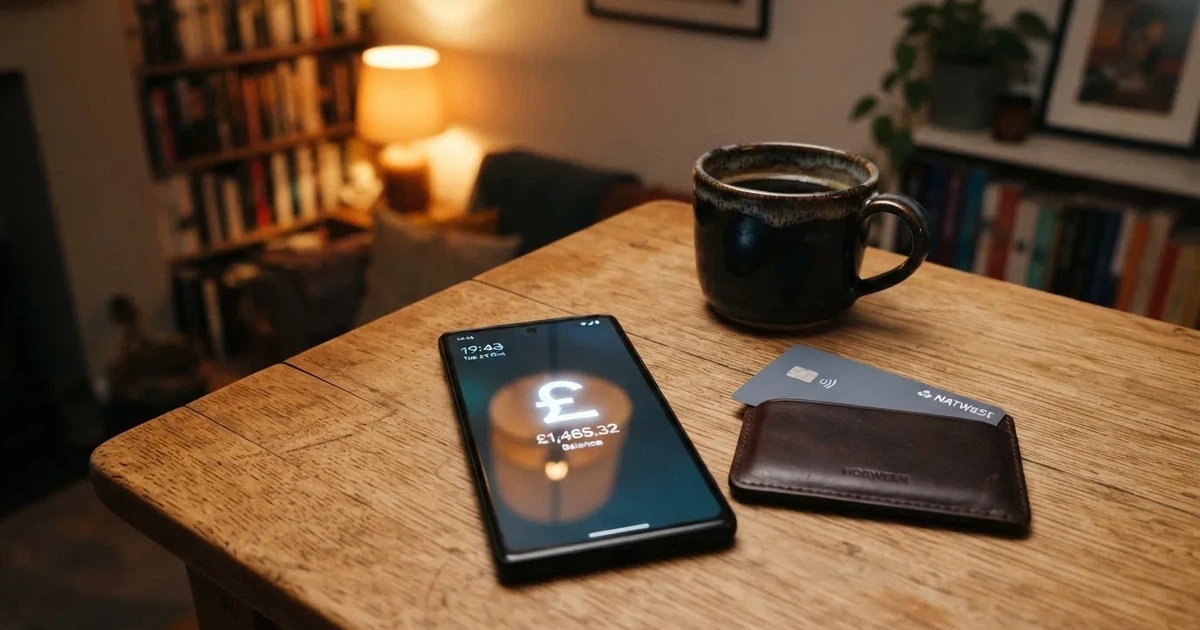
Current as of 27 October 2026 against the Gambling Commission’s public register.
What Responsible Gambling Looks Like at a UK-Licensed Bookmaker
Every brand named below is on the public register against a remote general betting standard licence, and that register entry carries a set of obligations no operator can opt out of once it accepts customers in Great Britain. The cost to the bettor is mostly consent — being identified, screened, and told where to put a stop on themselves — but it also turns into a financial consequence at higher spend. A reader comparing bookmakers should know what that frame looks like before any money moves.

Identity before a penny moves. Since 7 May 2019 the Commission has required operators to verify name, address and date of birth before a customer deposits or gambles, including with a free bet or bonus. The practical effect on a Mastercard deposit is that the card alone will not open an account: a passport or driving licence and a recent utility bill have to clear first, and the deposit button does not appear until they do. A reader opening their first British account should treat the sign-up form, not the cashier, as the slow part.
GAMSTOP sits on top of every online licence. Self-exclusion through GAMSTOP covers six months, one year, five years, or five years with auto-renewal, and after the minimum period the exclusion stays in place for a further seven years unless the customer asks to remove it. Each bookmaker named below also offers deposit and session limits, time-outs, product restrictions and access to self-exclusion on its own site, with links to BeGambleAware, GamCare, Gambling Therapy and the BGC visible from the safer-gambling page. Unibet’s site lists deposit limits, a Player Profile test, product restrictions and self-exclusion with live chat support alongside those organisations; Midnite shows similar links to GambleAware, GamCare, GamStop and BetBlocker, and Betmaster covers the same ground with deposit and session limits, time-outs and self-exclusion.
The financial vulnerability check is the new line. Since 30 August 2024 the LCCP has asked licensed remote operators to run a public-record check once a customer’s deposits minus withdrawals cross £150 in a rolling 30 days; from 28 February 2025 that check is in force. It is not an income check and not a credit reference check — bankruptcy or county-court-judgment markers are the kind of records it surfaces. A separate “affordability check” stage has been announced, with the Commission outlining a plan on 7 July 2026 but no start date; until that stage activates, no operator is asking for payslips in the normal course of play.
Deposit limits — RTS 12 — sit on top of the customer’s own choices. The first phase of standardised limits has applied since 31 October 2025; a second phase was postponed to 30 September 2026, and whether it is live on the day a reader signs up needs checking at the bookmaker’s own cashier. There is no state-set ceiling on stakes or losses in British sports betting: operators set their own maximum stakes and may restrict customers at their discretion.
Help lives one tap away. GamCare runs the National Gambling Helpline, GambleAware funds treatment and research, the NHS runs gambling clinics, and Gamblers Anonymous runs meetings. These are free to call and free to use. A reader who has decided to stop does not need to settle any pending withdrawal before activating GAMSTOP — exclusion takes effect across every licensed site the moment the registration confirms.
Where Crypto and Anonymity Fit — and Where They Don’t
None of the nine brands below takes cryptocurrency. In Great Britain, anonymous betting resolves into a single hard fact: identity is verified before the first deposit, so a GB-licensed bookmaker does not accept anonymous play in any currency, fiat or otherwise. The remainder of this section explains why that is, where the offshore side of the question ends up, and what a reader who wants pseudonymity actually pays for it.

The British rule has three layers. Layer one is the ban on credit cards for gambling, in force since 14 April 2020. Layer two is the requirement to verify identity before a customer’s first deposit, in force since 7 May 2019. Layer three is the financial-vulnerability check triggered at the £150 rolling-30-days mark. Together they make any account funded in cash-equivalent form a known account by the time a bet lands — the card or bank transfer is already attached to a verified person.
“Crypto” at a GB-licensed operator is, in practice, a bank transfer from a named exchange. Trustly, which several UK bookmakers list for Open Banking deposits, settles from a UK bank account in the account holder’s name, and the receiving operator sees a verified sort code and account number rather than a wallet address. Midnite lists Trustly alongside Visa, Mastercard, Apple Pay and Google Pay; the deposit reaches the operator’s ledger through a regulated bank channel.
The other side of the question, the unlicensed route, costs the reader most of the protections above. A bookmaker licensed in Curaçao, Malta or Anguilla does not fall under the Commission’s verification rule, the GAMSTOP obligation, or the bonus cap. Section 33 of the Gambling Act 2005 makes providing unlicensed facilities in Great Britain an offence aimed at the operator, with summary conviction up to 51 weeks’ imprisonment, a fine up to level 5, or both, but no offence aimed at a customer who merely bets on an unlicensed site has been identified. The cost of betting there is the loss of protection — no GAMSTOP coverage, no Commission complaints route, no approved dispute-resolution body, no British consumer redress if funds are withheld, and no application of the 10x bonus cap or the £150 vulnerability check. The framing honest to the evidence: licensed means checks, limits, GAMSTOP and a bonus ceiling, alongside verification before the first bet; unlicensed means none of those protections and a real chance of funds being withheld without recourse.
What an “anonymous” deposit actually buys. In an unlicensed shop, a bettor funded by a privacy-coin wallet or by a card bought with cash keeps the operator from the verification stage. The cost is everything that frame normally provides — there is no public register to check the licence against, no ADR body to complain to, no British deposit ceiling to apply, and no GAMSTOP block to fall back on if the bettor decides they want one. For a British resident comparing the two sides, the calculation is rarely about anonymity as a feature; it is about what protections the reader is willing to trade away to keep a card or a wallet un-named.
What a Welcome Offer Actually Costs at a UK-Licensed Site
The five largest welcome offers on this list share a shape: deposit, bet at a stated minimum price, receive free bets that expire in a week and carry a stake-not-returned rule. Two of them also carry a turnover condition that turns the headline “free” into several hundred pounds of qualifying bets before any cash is withdrawable. The arithmetic below traces what each one asks of the bettor, using only the figures each operator’s own terms publish.
Sky Bet offers £30 in free bets, credited as three £10 free-bet tokens after a deposit of at least £5 and a first single or each-way bet of at least 5p at odds of 1/1 or greater. The cost on the way in is small — a 5p bet at evens or longer clears the qualification, and the £5 deposit is the floor — but the £30 sits as three tokens, each consumable on one bet whose stake does not return with a win. On a single price of, say, 4/1, one £10 free bet pays out £50 in profit, less than half of what an equivalent cash stake would have returned. There is no rollover on the token itself; the cost is the difference between the cash equivalent and the free-bet payout, paid for with the assumption that one or more of the three bets will lose outright.
Coral’s welcome promotion carries similar terms. A qualifying bet of £20 or more at minimum odds of 2.0 (1/1) is required; the £40 in free bets is issued within 7 days and expires 7 days after issue, and the offer is for new GB customers who opt in. With four £10 tokens the stake-not-returned cost is comparable to Sky Bet’s three, and the seven-day expiry from issue rather than from account opening is the more permissive clock. The risk on Coral’s side is identical: any free bet that loses outright gives the bettor nothing, and a bet that wins short of the price the bettor would have liked returns only the profit, not the stake.
Unibet’s sports welcome offer mirrors Coral’s headline with one difference in plumbing. “Get £40 in Free Bets when you bet £20” requires a deposit and sports bet of £20 or more at minimum odds of 2.0 (1/1), with free bets expiring within 7 days of issue, and the qualifying deposit routes through a debit card or instant bank transfer rather than a broader set of methods. The refund mechanic is the same — a stake-not-returned token — and the cost on each consumed bet is the wedge between the cash payout and the free-bet profit.
Betboro’s sports welcome offer is a 100% matched free bet of up to £25 on the first qualifying wager, requiring a debit card deposit of at least £10 and a first bet of £5 to £25 with at least three selections each at 3/5 (1.60) or higher. The 3/5 minimum across three legs tightens the qualification compared to the single-bet routes above; placing £5 on a treble at the minimum price means picking three selections that combine to a price of around 2.74/1 or higher. A losing treble forfeits the £5 stake outright; a winning treble at minimum selects returns £25 in free bets, again without the stake. With a £25 first bet rather than the £10 the headline figure permits, the same arithmetic plays out at five times the qualifying stake.
Betfred runs the welcome offer mechanic on the same rails as the others, with the Betfred Sports, Casino & Games app covering 21 sports plus over 2,000 casino-style games on top of the betting product. The headline numbers vary by campaign and are stated only from each campaign’s terms; a reader comparing the offer should read the qualifying bet and the minimum price on the offer page rather than from the app description alone.
Bonus turnover — where it would matter. The Commission’s promotion rule, in force since 19 January 2026, caps wagering requirements on bonuses at 10x — a £10 bonus at 50x would need £500 of bets; under the cap a £10 bonus can demand at most £100 of qualifying bets. None of the welcome offers above currently applies a turnover multiple to the free-bet credit; the only turnover rule any reader encounters on these offers is the single qualifying bet. Where a turnover rule does bite — a casino or a combined product offer — the cap and the disqualifier of mixed-product promotions (the rule that forbids “bet on football to get free spins”-style bundles) are what set the ceiling.
What the marketing word “free” leaves out. A free bet is a token whose stake is not returned on a win. The value of a £10 free bet at 5/1 is £50 in profit; the same £10 in cash at 5/1 would have returned £60. The £10 difference is the implicit cost of using the token, and it scales with the price — the higher the price, the more the free bet underperforms cash. Across the offers above, the bettor’s real cost is the price-multiplied opportunity loss on each consumed token, plus the chance that one of the qualifying or consuming bets loses outright.
How a Mastercard Deposit and Withdrawal Actually Work in Great Britain
Most of the nine brands listed below treat Mastercard as a debit rail rather than a credit rail. The credit-card ban of 14 April 2020 closes Mastercard’s credit product across British gambling, and what readers meet at the cashier is the Visa-debit or Mastercard-debit side of the network, settled through the customer’s own bank and verified as part of the account-opening check.
Cashiers across the featured brands
Sky Bet accepts Mastercard debit for deposits and lists the qualifying deposit for its welcome offer at £5. The minimum stake on the qualifying bet is 5p at odds of 1/1 or greater, which means a deposit of £5 plus a 5p bet clears the qualification, but the cashier’s own floor on withdrawals and on further deposits is set by Sky Bet’s standard limits.
Coral accepts the same debit network and runs its welcome offer from a £20 qualifying stake at minimum odds of 2.0 (1/1). The cashier route is a standard debit deposit with no separate fee at the bookmaker’s end; the bank’s own charges, if any, are set by the issuing bank rather than the bookmaker.
Betmaster lists Mastercard alongside Visa, Maestro and V PAY. The cashier accepts deposits from a debit card and exposes the operator’s safer-gambling tools — deposit and session limits, time-outs, self-exclusion — at the same surface. Withdrawals process through the same network; the bank’s processing window is the variable.
Betboro qualifies its welcome offer through a debit-card deposit of at least £10, with the rest of the cashier routing through debit cards and the standard e-wallet set. The minimum price on the qualifying bet — 3/5 (1.60) on each of three selections — is set on the bet slip rather than in the cashier.
Fitzdares accepts Apple Pay, Mastercard and Visa. Its own terms note that Visa withdrawals are usually same-day, while Mastercard withdrawals can take up to 48 hours. That two-day maximum is the kind of number a reader comparing brands should weigh against the convenience of using a card that is already in the wallet.
Unibet’s UK cashier accepts a debit card or instant bank transfer, and the qualifying deposit for its welcome offer routes through one of those two. The brand has operated since 1999 under Platinum Gaming Limited in Gibraltar, with Gambling Commission account 45322.
LiveScore Bet lists debit cards (Visa and Mastercard), Apple Pay, PayPal, Pay by Bank (Open Banking) and Revolut Pay. The breadth of methods means a reader with a Mastercard debit has several fallback routes; Open Banking via Pay by Bank routes straight from the customer’s verified bank account.
Midnite accepts Visa, Mastercard, Apple Pay, Google Pay and Trustly, with rapid payouts advertised on the app. The cashier’s surface is the same product set LiveScore Bet offers minus the PayPal line, plus Trustly. Trustly is the route a reader who wants to settle from a UK current account without typing in a card number uses.
Bet Ahoy sits on the cashier alongside the rest, with Mastercard debit as the standard rail. The card-network flow is the same; the wagering product around it carries acca insurance, best-odds-guaranteed on UK and Irish racing up to £100, and Double Result payout on UK and Irish racing.
What “no fee at the bookmaker” really means
Bookmakers do not charge a deposit fee at the cashier for a debit-card deposit. The cost a bettor feels is the bank’s own: most UK current accounts do not surcharge a debit-card transaction, but some premium cards carry a foreign-transaction fee that activates if the bookmaker’s acquiring bank sits outside the UK. The Commission’s regime does not establish a fee rule one way or the other; the practical answer is that the operator takes no fee, and the issuing bank’s terms govern whether any sterling transaction posts without a surcharge.
Withdrawal cost in time and friction
The Commission’s identity-verification rule applies to withdrawals as well as deposits, which means a reader cannot sidestep the verification check by funding the account lightly and trying to take the money out. Once verified, withdrawal times depend on the rail:
- Card network (Visa, Mastercard debit): typically one to three working days; Fitzdares’ own description names a 48-hour ceiling for Mastercard withdrawals.
- Instant bank transfer (Trustly, Pay by Bank): usually minutes to a few hours, with the operator’s own “rapid payout” claim bounded by the bank’s session.
- Apple Pay and Google Pay: vary by the underlying card, but typically follow the card-network window.
- PayPal and Revolut Pay: wallet-side, often same-day once approved.
A reader who wants the money back the same day should choose a wallet or instant-bank route rather than a card; a reader who wants the cashback discipline of a card statement should expect a one-to-three-day wait on average.
The Nine Mastercard-Accepting Brands on the British Register
The ranking below reflects a single criterion — whether the brand is on the Gambling Commission’s public register against a remote general betting standard (real events) licence — and the same criterion is the only one the Commission itself uses to identify a legal online bookmaker in Great Britain. The list is not a recommendation; it is the licensed set at the time of writing, ordered by their standing on the register and the breadth of the product around the deposit.
The featured set sits below. Several licences cover multiple brands — Coral and Ladbrokes fall under LC International Limited, and Paddy Power and Betfair fall under a Flutter Entertainment licence — but only the brands routed into this ranking are written up here. Other licensed operators exist on the register beyond these nine.
Sky Bet
Sky Bet sits on the register against Gambling Commission remote licence 067370-R-341330-005, with account number 67370 and licence holder SBG Sports Limited. The site publishes its welcome offer as £30 in free bets, credited as three £10 tokens after a deposit of at least £5 and a first single or each-way bet of at least 5p at odds of 1/1 or greater. The bettor’s entry cost is the small qualifying stake — a 5p bet is enough to clear the threshold — and the rest of the experience is the standard Sky Bet product on football, racing and a wide range of in-play markets. The account opening runs through Sky’s verification partner in the normal way, with name, address and date of birth cleared before the first deposit.
The cashier on Sky Bet takes Mastercard debit, and the welcome offer’s £5 deposit floor is the lowest on this list; that floor matters to the casual bettor more than the headline “£30 in free bets”. The qualifying bet’s 5p minimum keeps the entry stake negligible, and the 1/1 (evens) minimum price is not a barrier — most single-bet markets will sit on or above that line on day one.
A reader comparing Sky Bet against the rest should weigh the three-token payout — each £10 free bet is a one-shot stake-not-returned token — against the low entry floor. The brand is the right pick for a bettor testing a new account without committing more than a fiver and a penny.
Coral
Coral’s entry sits against Gambling Commission remote licence 054743-R-330863-014, account 54743, licence holder LC International Limited, with the categories remote general betting standard (real events) and remote betting intermediary. The site publishes its sports welcome offer as “Get £40 in Free Bets when you bet £20” — a deposit and sports bet of £20 or more at minimum odds of 2.0 (1/1), with £40 in free bets issued within 7 days and expiring 7 days after issue, for new GB customers who opt in.
The bettor’s cost is the £20 qualifying stake at minimum odds of 2.0, which is a more meaningful floor than Sky Bet’s 5p. The £40 payout in four £10 tokens is generous by the standards of the set; the seven-day expiry from issue is shorter than Sky Bet’s three-then-month cadence but predictable enough to plan around. Coral’s product breadth — football, racing, in-play markets and a wide specials line — is the brand’s signature.
For a reader who wants the welcome offer in the largest single-bet form on this list, Coral’s £20 stake at evens or longer is the right shape. The four £10 tokens split the £40 into four one-shot bets, and the price-cost lesson is the same as Sky Bet’s: each token is a stake-not-returned credit on a single bet.
Betmaster
Betmaster’s entry is Gambling Commission remote licence 065699-R-339929-002, account 65699, licence holder BM Solutions GB Ltd, category remote general betting standard (real events). The site accepts Visa, Mastercard, Maestro and V PAY and lists the safer-gambling tools — deposit and session limits, time-outs, self-exclusion — alongside links to GambleAware, GamStop, BetBlocker and GamCare. Betmaster is not publishing a giant headline welcome offer; the product carries its weight on competitive odds and a settled cashier rather than on a welcome bonus.
The cost to the bettor is the absence of a headline free-bet credit, and the offset is the cashier’s plain pricing. The minimum deposit and the qualifying stake are set at the cashier rather than on an offer page, and the cashback of choosing the brand is in the odds-and-margin line rather than in a token. A bettor who values steady margins over a one-shot welcome credit will find Betmaster’s surface honest.
Betboro
Betboro’s licence sits on the register as 044181-R-324363-007, account 44181, licence holder Webmedia Development N.V. The site’s welcome offer is a 100% matched free bet of up to £25 on the first qualifying wager, requiring a debit-card deposit of at least £10 and a first bet of £5 to £25 with at least three selections each at 3/5 (1.60) or higher. The shape is a free-bet match with a tighter qualifying condition than Coral’s or Unibet’s single-bet routes — the three-selection minimum pulls the qualifying bet from a single to an accumulator.
The cost on a £25 qualifying accumulator at minimum combined price of about 2.74/1 is the chance of a losing treble, which forfeits the £5 to £25 stake outright. The £25 matched free bet, when paid out, has the stake-not-returned cost. For a bettor who wants their welcome offer to ride on a treble, Betboro’s offer is the right shape; for a bettor who prefers a single-bet qualifier, Coral or Unibet is the cheaper route in.
Fitzdares
Fitzdares’ licence is 000400-R-103839-030, account 400, licence holder Fitzdares Limited, category remote general betting standard (real events). The brand accepts Apple Pay, Mastercard and Visa, with the App Store description noting that Visa withdrawals are usually same-day, while Mastercard withdrawals can take up to 48 hours. The Fitzdares product carries its weight on the high-end customer — a longer market line and a personal-account feel rather than a mass-market welcome offer.
A bettor comparing withdrawal speed should weigh the 48-hour Mastercard ceiling against the same-day Visa rail. A Mastercard debit will land inside two days; a Visa debit, when the issuing bank and the card-network agree, can land the same day. The cost on the Mastercard side is the time, not the fee.
Unibet
Unibet’s UK licence is 045322-R-324275-019, account 45322, licence holder Platinum Gaming Limited (Gibraltar). The brand has operated since 1999, and the UK site’s safer-gambling surface includes deposit limits, a Player Profile test, product restrictions and self-exclusion with live chat support and links to BeGambleAware, GamCare, GAMSTOP, Gambling Therapy and the BGC. The welcome offer mirrors Coral’s headline: “Get £40 in Free Bets when you bet £20”, with a qualifying deposit and wager of £20 or higher at evens (2.0) or greater, with free bets expiring within 7 days of issue, for new GB customers using a debit card or instant bank transfer.
The bettor’s cost is identical to Coral’s at the offer level: a £20 qualifying bet at 2.0 or longer yields £40 in free-bet tokens, stake not returned on a win. The differentiator is the funding route — Unibet’s welcome offer routes through a debit card or instant bank transfer, so a Mastercard-deposit bettor is on the offer’s natural rail. Unibet’s product line — sports, casino, poker, bingo — is wider than most of the brands on this list, and the cashier accepts the standard debit and instant-bank set.
LiveScore Bet
LiveScore Bet’s licence is 056859-R-332720-005, account 56859, licence holder LiveScore Betting and Gaming (Gibraltar) Limited. The site accepts debit cards (Visa and Mastercard), Apple Pay, PayPal, Pay by Bank (Open Banking) and Revolut Pay. The cashier’s breadth is the brand’s signature — five rails, each verified — and the product carries the LiveScore brand across sportsbook and the in-app score-tracking experience.
A Mastercard-depositing bettor has Apple Pay or PayPal as one-tap alternatives on the same device, and the instant-bank route through Pay by Bank is the option to skip the card. The bettor’s cost on the welcome offer, if any, is the offer’s own terms; LiveScore Bet’s headline offer rotates through campaigns and is read from the operator’s promotional page rather than from the cashier.
Midnite
Midnite’s licence is 101839-R-342850-001, account 101839, licence holder Midnite Limited. The site cites Gambling Commission licence 101839 and shows in-play events, an acca builder, popular accas and price boosts with maximum-stake limits. The cashier accepts Visa, Mastercard, Apple Pay, Google Pay and Trustly, and links to GambleAware, GamCare, GamStop and BetBlocker. The Midnite app is published by Dribble Media Limited and advertises weekly rewards clubs and rapid payouts.
A bettor using Midnite pays through the card network or instant bank, with Trustly as the Open Banking route from a UK current account. The acca builder is the product line that distinguishes the brand from the rest of this list — same-game and cross-event accumulators, built on the slip rather than selected from a pre-set list. The bettor’s cost, where it appears, is the margin on the accumulator’s combined price, which carries its own overround.
Bet Ahoy
Bet Ahoy’s licence is 100094-R-341742-003, account 100094, licence holder Bet Ahoy Ltd. The brand offers a 10% Acca Bonus up to £1,000, Sub-Cover for player substitutions, Best Odds Guaranteed on UK and Irish horse and greyhound racing up to £100, and Double Result payout on UK and Irish racing. The brand carries its weight on racing and on accumulator-shaped products rather than on a giant headline welcome offer.
The bettor’s cost on the racing side is the BOG ceiling — Best Odds Guaranteed applies up to £100 — and the operating premise behind the Acca Bonus is that the bettor’s combined price is the published price. The standard rail is a debit-card deposit and the standard Mastercard withdrawal window.
The Landscape of Mastercard and UK Online Betting
A customer comparing the nine operators above will see the same debit rails on most, with the same safer-gambling surface on every brand, and the same GAMSTOP opt-out at every step. The table below condenses the comparison to the two columns that decide whether a brand is worth opening: the Commission’s licence number against the licence holder’s name, and the operator’s own terms on the subject the page is built around.
| Brand | Gambling Commission licence number and licence holder | What the operator’s own terms state on Mastercard |
|---|---|---|
| Sky Bet | 067370-R-341330-005 · SBG Sports Limited | Mastercard debit accepted; £5 minimum deposit on the welcome offer; 5p / 1/1 minimum on the qualifying bet |
| Coral | 054743-R-330863-014 · LC International Limited | Mastercard debit accepted as part of the debit-card funding route; £20 / 2.0 minimum on the qualifying bet |
| Betmaster | 065699-R-339929-002 · BM Solutions GB Ltd | Visa, Mastercard, Maestro and V PAY accepted; safer-gambling tools (deposit/session limits, time-outs, self-exclusion) listed on the site |
| Betboro | 044181-R-324363-007 · Webmedia Development N.V. | Mastercard debit qualifies the welcome offer at £10 minimum deposit; 3/5 minimum price on each of three selections |
| Fitzdares | 000400-R-103839-030 · Fitzdares Limited | Apple Pay, Mastercard and Visa accepted; Mastercard withdrawals up to 48 hours, Visa usually same-day |
| Unibet | 045322-R-324275-019 · Platinum Gaming Limited | Mastercard debit accepted via the debit-card or instant-bank funding route on the welcome offer; safer-gambling surface includes Player Profile test |
| LiveScore Bet | 056859-R-332720-005 · LiveScore Betting and Gaming (Gibraltar) Limited | Debit cards (Visa and Mastercard), Apple Pay, PayPal, Pay by Bank and Revolut Pay accepted |
| Midnite | 101839-R-342850-001 · Midnite Limited | Visa, Mastercard, Apple Pay, Google Pay and Trustly accepted; rapid payouts advertised |
| Bet Ahoy | 100094-R-341742-003 · Bet Ahoy Ltd | Mastercard debit is the standard rail; racing product on top with BOG up to £100, Double Result, Sub-Cover |
The columns the table does not carry — a market-by-market margin, a stake-limit number, a withdrawal-time average — are not available at brand or market level. A reader who needs those figures looks at the operator’s own betting slip and the cashier’s published rail-times; the right place to find them is not a peer comparison.
Whether Betting With Mastercard Is Legal in Great Britain
The short answer to the headline question is yes — for Mastercard debit, at a licensed operator, after verification. Credit Mastercard is closed for gambling across the whole licensed market. The legal frame sits in three layers, and reading each one saves a bettor from the mistake of thinking a single brand, a single rail or a single overseas route applies.
What the Gambling Act 2005 does
The Commission licenses the whole commercial market under the Gambling Act 2005, which covers Great Britain (England, Scotland and Wales); Northern Ireland is outside the Act and has its own older law, so a GB licence does not regulate Northern Ireland. Since the Gambling (Licensing and Advertising) Act 2014 an operator whose remote facilities are used in Great Britain needs a Commission licence wherever it is based — sections 33 and 36 of the 2005 Act as amended — and a Curaçao, Maltese or Gibraltar licence is not a substitute at the point of consumption. There is no state monopoly and no cap on the number of licences. The Commission’s public register can be searched by business name, trading name, domain or account number and is the whole test of whether a brand holds a GB licence; licensed operators use .com as well as .co.uk, so the domain proves nothing. Never call a single brand “the only” licensed one.
What the LCCP does on payment
The credit-card gambling ban is LCCP condition 6.1.2, in force since 14 April 2020. The condition covers credit cards directly and credit-card-funded payments through an e-wallet. Debit cards and bank-based payments are not covered by the ban and remain the standard rail at every licensed cashier. Identity verification is the second licence-condition line: name, address and date of birth verified before the customer can deposit or gamble, in force since 7 May 2019, including with a free bet or bonus. The financial-vulnerability check kicks in at £150 of net deposits over a rolling 30 days and runs a public-record check rather than an income or credit-reference check; in force since 30 August 2024, applied since 28 February 2025. The Commission’s affordability-check phase has been announced in a staged plan published on 7 July 2026, with no start date set.
What the bonus cap does
Promotion rules in force since 19 January 2026 cap wagering requirements on bonuses at 10x — a £10 bonus at 50x would need £500 of bets; under the cap a £10 bonus can demand at most £100 of qualifying bets. Mixed-product promotions — an offer that requires gambling on two or more product types such as betting, casino, bingo and lottery — are banned. Whether the cap applies to free bets with no wagering condition, and any cap on the money value of a bonus, remain unclear; a reader comparing offers against the cap should read the operator’s full terms at the offer page.
What the tax does — and to whom
The player pays no tax on betting winnings in Great Britain. General Betting Duty is the operator’s tax on gross profits, currently 15%; from 1 April 2027 a new remote betting rate of 25% applies within it, while remote bets on UK horse racing, bets on self-service betting terminals in licensed premises, pool betting and in-person betting stay at 15%. Until 1 April 2027 the remote rate stays at 15%; whether operators pass duty on through odds is not established, and no rule charges the player duty at the cashier. The Commission’s statutory levy is a separate charge on the operator and is not a player tax.
Advertising and the affiliate line
Advertising is not licensed by the Commission; it runs through the CAP Code (non-broadcast) and BCAP Code (broadcast), enforced by the ASA, alongside the LCCP’s marketing conditions. Operators are responsible for marketing carried out by their affiliates — a brand’s promo on an affiliate site is the brand’s promo for compliance purposes. The “whistle-to-whistle” rule is an industry code, not law: since 1 August 2019 betting advertisements are not shown on TV from five minutes before a live sporting event to five minutes after it, before the 9pm watershed. No promo code is published on this page.
The minimum age and the verification step
Minimum age for sports betting in Great Britain is 18, and name, address and date of birth are verified before the first deposit. The verification step is the practical consequence of LCCP and money-laundering rules, and it runs at every licensed operator — the cashier’s “deposit” button does not appear until the check passes. A bettor under 18 cannot open an account; a bettor over 18 but with a name the operator cannot match against a UK records source will see the verification step block the cashier.
The MasterCard Brand, the Cooperative and the Public Company
A bettor does not need to know the corporate history of Mastercard to place a bet. The next few paragraphs carry it anyway, because the card a UK cashier processes flows through the network the company has run since its 1966 founding, and the way the network settles disputes, refunds and chargebacks is the way the bettor’s money moves.
The cooperative years. Mastercard traces its origins to 1966, when Karl H. Hinke, an executive vice president at Marine Midland Bank, asked representatives of several other banks to meet in Buffalo, New York, to establish a shared card network. The cooperative stayed in that form through the late 1990s, with member banks as the owners and the network’s processor at the centre. In 1992 Eurocard became part of Europay International, the European card network that would merge with the American one a decade later. MasterCard International merged with Europay International in 2002, producing the single corporate entity that brand-named cards now carry.
The public company. Mastercard, previously organised as a cooperative owned by financial institutions, became a public company through an initial public offering on 25 May 2006, selling 95.5 million shares at $39 each. The transition moved the network from a member-owned association to a listed company on the New York Stock Exchange, with the cards’ brand-name and processing business still attached to the same operator. In July 2016 Mastercard acquired 92.4% of VocaLink, a British payments company, for $920 million — a step into the UK bank-to-bank clearing infrastructure.
The numbers and the regulator. Mastercard is headquartered in Purchase, New York, and its principal business globally is to process payments between the banks of merchants and the card-issuing banks or credit unions of purchasers. The annual report the public company files gives a sense of scale: revenue of US$32.8 billion, operating income of US$18.9 billion, and net income of US$15 billion for 2025, against revenue of US$28,167 million and operating income of US$15,582 million for 2024. A UK regulator also watches the network: in February 2021, following an investigation by the UK’s Payment Systems Regulator, Mastercard admitted liability for breaching competition rules in relation to pre-paid cards.
What that history does for a Mastercard transaction at a UK cashier. The transaction flows from the customer’s issuing bank, over the Mastercard network, to the merchant’s acquiring bank, and into the bookmaker’s account — settled, reconciled and dispute-handled through a chain that the global brand has run for decades. The LCCP, the money-laundering rules and the bookmaker’s own verification step run alongside, but the network underneath is Mastercard. A reader who has been declined a deposit at one GB-licensed operator because the card was a credit Mastercard will be processed without question when they switch to their debit card of the same brand, and the same network will carry the withdrawal back.
Picking a Brand From This List
Three trade-offs decide which of the nine operators named above suits a particular reader.
The low-entry floor
Sky Bet’s £5 minimum deposit and 5p minimum qualifying stake is the smallest entry-point on this list. Coral, Unibet, Betboro and LiveScore Bet are all on £10 or more for a qualifying deposit. A reader opening a first British account with a small budget will clear Sky Bet’s qualification on a fiver and a penny.
The welcome-offer size
Coral and Unibet tie at £40 in free bets after a £20 qualifying stake at minimum odds of 2.0. Sky Bet sits at £30 in three tokens after a 5p qualifying stake. Betboro sits at a £25 matched free bet on a £5-to-£25 qualifying treble at 3/5 minimum on each leg. The other brands do not publish a headline welcome offer and rely on product rather than first-deposit credit.
The cashier rail and the withdrawal window
Fitzdares names a 48-hour Mastercard withdrawal ceiling and a same-day Visa rail. Unibet accepts instant-bank transfer in addition to debit. LiveScore Bet lists five rails including Open Banking. Midnite lists five rails including Trustly. Betmaster’s set is Visa, Mastercard, Maestro and V PAY. A reader who values same-day cashback should sit on Visa debit, Apple Pay or an instant-bank rail; a reader who values a single card statement and a steady 24-48-hour window is fine on Mastercard debit.
Verdict on the Mastercard Side
The honest reading is that Mastercard debit sits at the centre of the licensed British cashier, with eight of nine brands carrying it on the standard debit route and Fitzdares the only brand to publish its withdrawal ceiling (48 hours) in terms a reader can plan against. Credit Mastercard is closed across the whole licensed market under LCCP condition 6.1.2, and the bettor’s choice is which debit rail and which welcome offer to bind to, not which network. A reader who opens the lowest-floor account, takes the £30-or-£40 welcome offer, and never opts in to credit is paying only the opportunity-cost of stake-not-returned tokens — the standard shape of the British market rather than a Mastercard-specific cost.
The harder reading is that the rest of the cost sits in the regulator’s frame. The verification step turns a five-minute sign-up into a longer one. GAMSTOP turns a bettor’s own choice to stop into a multi-operator block. The £150 rolling-30-days financial-vulnerability check adds a public-record step at higher spend. The bonus cap turns headline numbers into ceilings. None of those costs is a Mastercard cost, and all of them sit at every brand named above because every brand named above is on the Commission’s public register.
What a Mastercard Deposit Cannot Do at a Licensed British Site
Three things a reader might assume are true are not, and each one matters to a comparison of “best” sites.
A credit Mastercard cannot fund the first bet
The LCCP’s credit-card gambling ban runs across the whole UK licensing frame. Any operator accepting a credit-card deposit for gambling loses its licence and the bettor loses their stake; the cashier’s own programming rejects credit-card funding for gambling. A bettor holding a credit Mastercard and looking to fund a bet needs to use a debit card, a current account, an instant-bank transfer or a wallet — and on the same brand, the same welcome offer still applies as long as it is funded in a permitted way.
Anonymous play is not on offer
The verification step closes the route to anonymity. A bettor opening an unlicensed account in another jurisdiction might be able to fund it without verification, but the same bettor at any of the nine brands named above will pass a name, address and date-of-birth check before the deposit button appears. The bettor’s cost, in time, is the verification, and the offset is the Commission’s complaints and ADR route.
Crypto rails are not on offer
None of the nine brands above takes cryptocurrency. The brand’s cashier rails are debit cards, instant-bank transfer, Apple Pay, Google Pay and the named wallets. A bettor who wants to fund with a digital asset has to convert at an exchange — a regulated exchange, with the bank transfer visible to the receiving operator — or leave the licensed market.
What This Comparison Does Not Settle
Three questions a reader will have are out of scope of the table above, and the right answer to each is to look at the source named rather than at a peer comparison.
Market-by-market margin
The brand-level margin on a 1X2 football market, a horse-race SP book, or a cricket match-winner line is published on the operator’s own site or in third-party price-tracking services. This comparison does not state brand-level margins. A bettor pricing the same bet at three of the nine brands above should look at each operator’s published price and decide.
Stake limits and customer-level restrictions
Operators set their own maximum stakes and may restrict customers. A bettor comparing a high-stake account across the nine brands will see different ceilings and different closure thresholds. The licensed brands publish their stake limits at the slip level; the right place to check them is the operator’s published terms.
Specific event prices at a given moment
A snapshot price of 5/2 on a horse or 6/4 on a football match changes between the time this comparison is written and the time the bettor reads it. The right answer to “what price does Sky Bet offer on the 3.15 at Cheltenham” is to look at the operator’s site on the day — not at this page.
Frequently Asked Questions About Betting Sites With Mastercard in Great Britain
Can you bet against Mastercard?
A credit Mastercard cannot fund a bet at any UK-licensed operator; the LCCP closed that door for the whole market on 14 April 2020. A debit Mastercard is the standard rail at most licensed cashiers and sits alongside Visa debit, Apple Pay and instant-bank transfer. The card brand is not the obstacle — the credit/debit split is.
Can you lose on mastercard betting?
A betting loss is settled from the bettor’s deposited funds, regardless of the funding rail. Mastercard debit moves money from the bettor’s current account to the bookmaker; winnings move the same way back. The card network does not insure the bettor against a losing bet, and it does not reverse a settled one except through the bookmaker’s own dispute process. Losses are the bettor’s, and the cashier does not refund them.
Can you use mastercard in betting shops?
A betting shop is a separate channel from the online cashier, with its own payment arrangements. Most high-street bookmakers take cash and debit cards at the counter, but the rail at the counter is the shop’s payment processor rather than the online cashier. A bettor using a UK high-street bookmaker should ask at the counter whether the shop takes Mastercard debit at the till — it usually does, but it is the shop’s policy rather than a network rule.
Which payment methods do GB-licensed bookmakers accept, and are credit cards allowed?
GB-licensed bookmakers take debit cards (Visa and Mastercard), instant-bank transfer (Open Banking via Trustly or Pay by Bank), Apple Pay, Google Pay, PayPal and a small set of other wallets. Credit cards are not accepted for gambling at any licensed brand under LCCP condition 6.1.2, including credit-card-funded e-wallet transfers. A bettor comparing cashiers should look at the operator’s published payment-methods page rather than at a peer review.
From what age can bets be placed in Great Britain, and when is identity verified?
The minimum age for betting in Great Britain is 18. Identity is verified before the first deposit at every licensed operator — name, address and date of birth are checked against UK records, and the check covers free bets and bonuses. A bettor who cannot pass the verification check cannot open the cashier, regardless of the funding method.
How can it be checked that a bookmaker holds a Gambling Commission licence?
The Gambling Commission’s public register is the test. It is searchable by business name, trading name, domain or account number. A bettor comparing operators should look up each brand on the register, read the licence number and the licence-holder name, and confirm the categories include remote general betting standard (real events). The register is updated continuously and is the only authoritative check on a GB licence.
Payments & apps – Best betting exchange
Content created by the «Best betting exchange» team
