
What Kabaddi Betting Odds Actually Cost UK Punters in 2026
 Available in US
The bookmaker’s margin sits inside every price on a kabaddi coupon, and on a sport this small it sits a little more boldly than it does on Premier League football. The same numbers — the seven players per side, the two halves of 20 minutes, the one-point raids, the two-point All Out — recur on the betting sites that carry the Pro Kabaddi League, the Kabaddi World Cup and the handful of domestic competitions Indian broadcasters follow. A punter who reads only the headline odds pays the margin twice: once when the price is set, and again when the offer that pays them turns out to need four times the stake in turnover before any of it is theirs. This page is the reader’s case for not paying it.
Data checked against operator terms and the Gambling Commission register on 27 October 2026.

The figures quoted across this guide were checked against each operator’s own published terms on 16 October 2026, and the register the Gambling Commission publishes was used to confirm which brands hold a remote licence for Great Britain. Prices, boosts and welcome packages change faster than the licence register does, and a snapshot taken this week is what a punter needs to know this week.
Staying in Control of What You Wager
A licence to take bets in Great Britain comes with a duty to check that the customer is one. Name, address and date of birth are verified before a deposit or a first bet is accepted, including where that first bet is a free one. The check is not optional, and it runs at the bookmaker, not at the bookmaker’s bank. The point is the same one that runs through every other control on this page: the bettor who is known to the operator is the one whose complaints route, dispute-resolution body and self-exclusion are real.
The national self-exclusion register is GAMSTOP, and every operator in the ranking below is a member. A self-exclusion runs for six months, one year, five years, or five years with auto-renewal, and once the minimum period has passed the exclusion stays in place for a further seven years unless the customer asks GAMSTOP to remove it. Online and mobile are covered; high-street bookmakers use a separate register. The bettor who wants time out only at one firm asks that firm for a product-level timeout or a deposit limit, both of which every licensed operator now offers.
A financial vulnerability check, in force since 30 August 2024, applies once a customer’s deposits minus withdrawals exceed £150 in any rolling 30 days, with the threshold for the trigger having applied since 28 February 2025. The check is a public-record one — bankruptcy, county court judgments, similar entries — not a credit-reference check and not an income check. Broader financial risk assessments were announced in a staged plan on 7 July 2026 with no start date. Wagering requirements on bonuses are capped at 10x under rules that took effect on 19 January 2026, and mixed-product promotions that force a punter to bet on two or more product types in a single offer are banned.
The free help lines are GamCare (the National Gambling Helpline), GambleAware, the NHS gambling clinics network, and Gamblers Anonymous. None of them is a regulator and none of them pays a winning bet. They sit alongside the protections a licence gives; they do not replace them.
Putting the Sport on a Handset
A kabaddi betting app is, in practice, the same product as a football betting app with a different sport pinned to the front. A punter signing in to a UK bookmaker on a phone sees the same slip, the same cash-out button and the same account history whatever sport the coupon names. Where the apps differ is in how much of the in-play market is reachable on a touch screen, and on whether the acca builder and the live stream fit on a five-inch display without scrolling. Bet365 describes itself as the most downloaded sports betting app in the UK and is the official global betting partner of the UEFA Champions League; a kabaddi coupon lives inside the same product that streams the football, which is the practical point of an app being “for” kabaddi at all.
Spreadex runs fixed-odds and spread betting inside one app, with one-click, auto and partial cash out and live streams of UK and Irish horse racing, greyhounds, tennis, NFL and selected football. Fafabet and Bet600, both newer brands, describe mobile sign-up, deposit and cash out in the App Store listing and pay Best Odds Guaranteed on UK and Irish horse racing from 9am on race day (Fafabet) and on the early or show price (Bet600). Lottoland UK’s app is a casino, lottery betting, sports betting and scratchcards combination under one login.
The bookmaker’s app does not need its own licence. The remote general betting standard licence held by the parent company covers the mobile product, the desktop product and the same product reached through a browser. A punter checking an app’s standing checks the operator on the Commission’s public register, not the app on the App Store. A “.com” domain and a “.co.uk” domain can both belong to a licensed operator, so the URL proves nothing by itself.
Watching the Match and Walking Out Early
A kabaddi live betting market is a small one even in India, where the Pro Kabaddi League runs across the cooler months. In Great Britain a punter watching a live event is more often watching a stream than sitting in a stadium, and the markets that show up in-play are the markets that suit a stream: the next raid, the next All Out, the match winner as the half closes. Betfair, bet365 and Spreadex describe live in-play betting in their own materials; Spreadex and bet365 describe live streaming attached to the in-play product, and Betfair offers free live streaming of UK and Irish horse racing and football within the app alongside its 90 Minute Payout market on football.
Cash out is the second half of the live product. One-click, auto and partial cash out are different flavours of the same mechanism: settle the bet before the final whistle at a price the operator sets at the moment the punter presses the button. The price the operator sets is the price the operator wants to show, and it carries a wider margin than the pre-match price because the operator is pricing one side of a market it can also see the bettor’s position on. A punter who uses cash out as a habit is paying the spread on every leg.
The punter who can wait for the final whistle usually does better. The punter who cannot — and many cannot, on a sport where the lead swings four points in two raids — pays for the right to walk out. The cost is in the price, not in a fee.
Reading Predictions Without Falling for Them
A “kabaddi betting tips today” page and a “pro kabaddi betting prediction” page are usually the same page with a different headline. Most are run by tipsters who sell picks, and the picks are usually priced at fractional odds, where the price looks larger than it is and the bookmaker’s margin hides behind it. A punter who follows a tipster is paying for the tipster’s picks and for the margin on the coupon those picks land in; the bet still costs what the market says it costs.
The arithmetic behind any tip is the same. A prediction of a raider scoring the next point has to clear the bookmaker’s overround before it is worth anything to the punter, and the only number on the page that matters is the implied probability. Implied probability is one divided by decimal odds (or the reciprocal of the fractional form plus one), and a market where every outcome sums to more than 100% is one where the bookmaker is taking its cut. The punter who sees “today’s tips” without the implied probability is reading a horoscope.
The bankroll side of the page is the same bankroll side as every other sport. A punter staking more than two per cent of the bank on a single raid is over-staked; staking less than half of one per cent is under-staking on the kind of in-play bets kabaddi is suited to. A flat-staking discipline survives more losing weeks than a stake-up-after-a-loss discipline does, and the punter who keeps a record of every bet — the stake, the price, the market, the result — survives longer than the one who follows a tipster’s WhatsApp channel.
A prediction is not a fact. It is one punter’s reading of a market that another punter’s price already prices in. The cost of believing a prediction is the difference between the price the punter takes and the price the prediction was right about.
The Markets and How the Price Is Built
Fixtures, Match Winner and the Two-Way Bet
A kabaddi match has two sides and the chance of a draw, which is settled by a tie-breaker of five raids per team and then a golden raid where the first team to score wins. Most bookmakers settle the match winner market in two ways: on the result after the tie-breaker, which means the draw is impossible, or on the result after normal time, which means the draw is a third outcome with its own price. The punter checks the bookmaker’s settlement rule before staking, because the same match can pay a winning ticket at one firm and a losing one at another.
A two-way match winner is the easiest market to read because the prices for both sides sit around evens. The return is the stake times the decimal odds: a £10 bet at 1.90 returns £19, with £9 of profit. The same bet at 1.85 returns £18.50, with £8.50 of profit. The smaller decimal odds, the smaller the return; the difference is the bookmaker’s margin on this match.
Handicap and the Line the Punter Buys
A handicap in kabaddi is a point spread the bookmaker sets to make a one-sided match a two-way market. The favourite gives points, the underdog takes them, and the price on each side of the line is what the punter pays for the privilege of betting on a contest the bookmaker has already judged one-sided. A handicap of -3.5 on the favourite means the favourite must win by four or more for the handicap bet to pay.
The price the punter pays for the handicap is the price the punter pays for the margin on the handicap market, and the margin on a handicap is almost always wider than the margin on the match winner. The punter who can read both markets reads the wider margin and decides whether the line is worth it.
Totals, Raid Points and the Over/Under
A totals market in kabaddi is settled on a count the bookmaker chooses: total raid points, total tackle points, total points in a half. The over/under line is the number the punter bets above or below. The over’s price and the under’s price are a two-way market with a margin between them, and the wider the margin, the more the bookmaker is keeping of every stake.
A totals bet pays the same way as any other: a £10 stake at 1.91 returns £19.10, with £9.10 of profit. The punter reading a totals market reads the implied probability on each side of the line, adds them together, and reads the gap as the margin.
Outright and Season-Long Markets
An outright market is settled on the winner of a tournament, a league or a season. The Pro Kabaddi League runs from October to December, with a playoff in early January; the Kabaddi World Cup runs on a longer cycle, and India has won every edition since the first in 2004. The outright market on a heavily favoured team prices that team at a small decimal odds and the field at a long one. The price on the favourite carries a margin in itself; the price on the field carries a wider one.
A punter who wants to back the favourite for a small return is paying the bookmaker a fee for the privilege of doing so. A punter who wants to back a long shot is paying a fee for a ticket that almost never lands. The outright market is settled once, and the punter’s stake is locked for weeks.
Margin and the Two-Way Price
A two-way market at decimal odds 1.90 and 1.90, an example rather than a quoted price, carries a margin that can be worked out from the prices alone. The payout share on a market is one divided by the sum of the implied probabilities: 1 ÷ (1 ÷ 1.90 + 1 ÷ 1.90) = 1 ÷ 1.0526 ≈ 95.0%. The margin is 100% minus the payout share, here 5.0% in round terms. A market at 1.85 and 1.85 carries a payout share of 1 ÷ (1 ÷ 1.85 + 1 ÷ 1.85) ≈ 92.5%, a margin of 7.5%. The margin is a band, not a point: even-money markets on a small sport like kabaddi typically run between 5% and 8%, with the tightest prices on the match winner and the widest on the totals and the props.
The punter who sees a market at 1.90 / 1.90 is paying 5p in the pound to the bookmaker on every settled coupon. A market at 1.85 / 1.85 is paying 7.5p. The price the punter sees is the price the bookmaker wants to show, and the difference between 1.90 and 1.85 is the difference between a 5% margin and a 7.5% one.
Combinations and the Accumulators
A combination bet multiplies the odds of the legs into one price. A treble at 2.00, 2.00 and 2.00 carries a price of 8.00; a £10 stake returns £80 if all three legs win. The price is a multiplication, and the margin on each leg is multiplied into the combined price. A punter backing three legs at 1.90 each is paying three margins, not one. A punter backing three legs at 1.85 each is paying three larger margins.
The acca insurance offer — money back as a free bet if one leg lets the coupon down — looks like a refund and is a free bet whose stake is not paid back with a win. A punter reading acca insurance reads the offer as a free bet at the bookmaker’s terms, and the bookmaker’s terms are usually a minimum price on the legs, a cap on the free bet and a deadline. The price of the insurance is the legs the punter has to add to claim it, and the punter reads the coupon before reading the offer.
The Sport Behind the Coupon
The Fundamentals of a Kabaddi Match
Kabaddi is played with seven players per side on court plus three to five substitutes, in two halves of 20 minutes for men and 15 minutes for women, with a five-minute interval. A raider crosses into the opposing half, tags a defender, and returns to his own half without being tackled; a tag scores one point, and a raider who crosses the bonus line when six or more defenders are on court scores a bonus point. A team that tackles all seven opponents in a single sequence scores two extra points, the All Out, and the tackled team sends its full complement back onto the court.
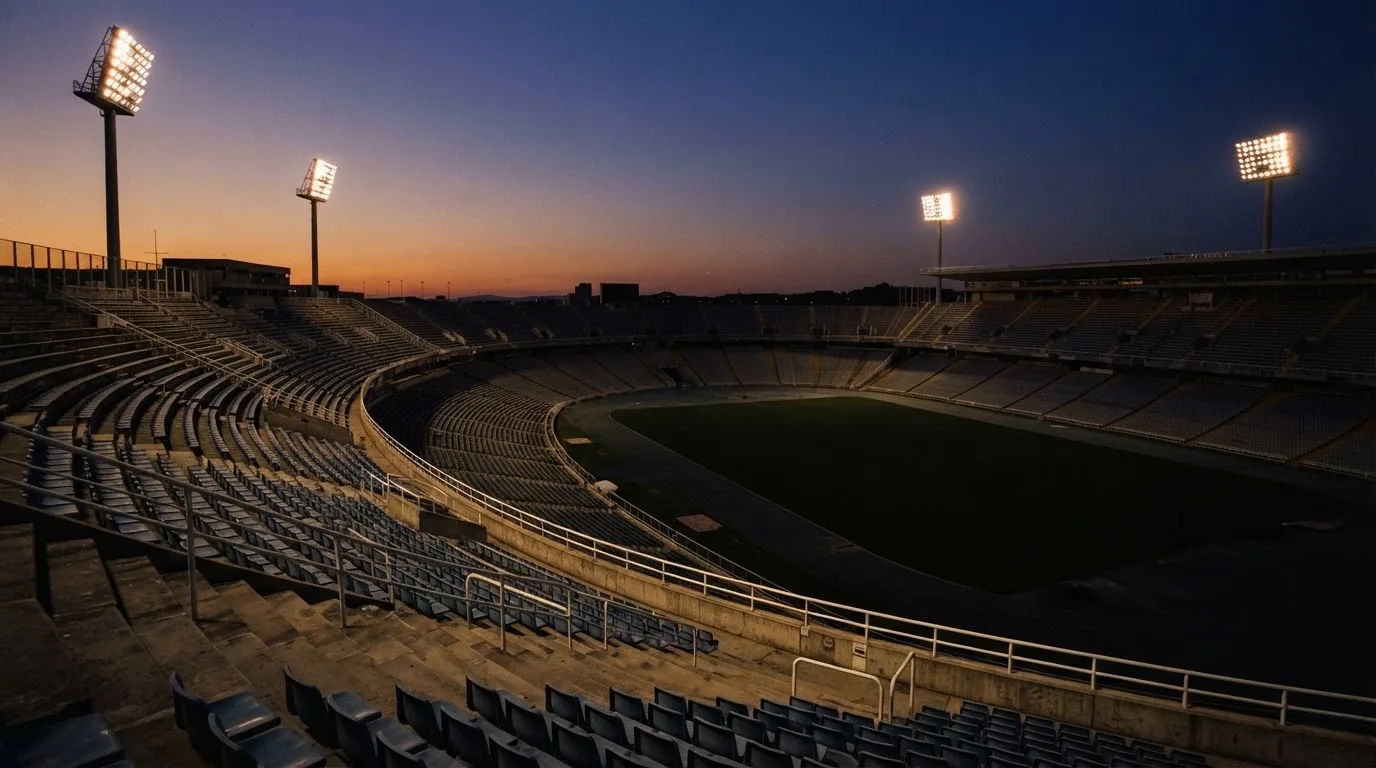
A tied match is settled by a tie-breaker of five raids per team and then a golden raid, where the first team to score wins. The tie-breaker is short, the golden raid is one raid, and the bookmaker that settles on the result after the tie-breaker has a different match from the one that settles on normal time. The punter reading the coupon reads the settlement rule.
The Leagues and the World Cup
The Pro Kabaddi League is a franchise league in India, founded in 2014 with eight teams, and grew to 12 before the 2017 season. The league runs from October to December, with a playoff in early January. The Kabaddi World Cup was first held in 2004 in Mumbai, organised by the International Kabaddi Federation, also founded in 2004. The Indian men’s and women’s teams have won every edition of that World Cup, and the outright market on the men’s tournament reads accordingly: India at a small decimal odds, the field at a long one.
A bookmaker’s coupon on a Pro Kabaddi League season covers the match winner, the outright and the in-play markets on the headline matches. A bookmaker that does not list a league does not price it, and the punter who wants a price on a non-headline match walks the coupon until the league is listed, and walks again if the next bookmaker’s coupon is also bare.
The Statutes and the Bodies
The first Kabaddi World Cup was held in 2004 in Mumbai, organised by the International Kabaddi Federation, founded the same year. The IKF runs the World Cup on a cycle of its own, and the cycle is longer than the Pro Kabaddi League’s annual one. The bookmaker’s outright market on a World Cup runs for the year of the tournament and the year before; in the off years the outright market is closed. The punter who wants a price in an off year finds a coupon that says “Outright — winner” against a season that has not started, and reads the offer as a futures contract rather than as a coupon.

The punter who reads the IKF’s calendar reads the dates of the next tournament and the dates of the next qualifier. The punter who reads the bookmaker’s calendar reads the bookmaker’s markets, and the two are not the same.
A Landscape of UK Bookmakers for Kabaddi
The table below names ten brands, their Gambling Commission licence number and licence holder, and what the operator’s own terms say about the relevant feature. The list is not a ranking: a place in a comparison is not a licence, and several of the brands can be new to a UK punter. The page’s own judgement of each brand sits below the table, in the order of the ranking.
| Brand | Gambling Commission remote licence and holder | What the operator’s terms state on the key’s subject |
|---|---|---|
| Octobet | 062545-R-337248-006 — Octopus Game Limited | Welcome offer of 50% back as a free bet up to £50, plus a £10 casino bonus for new customers |
| Bet Ahoy | 100094-R-341742-003 — Bet Ahoy Ltd | Welcome offer of “Bet £10 & Get £10 in Free Bets” — a £5 sports bet and a £5 acca |
| Betfair | 039439-R-319330-013 — PPB Counterparty Services Limited | In-play betting, Bet Builder, free live streaming of UK and Irish horse racing and football within the app, and a 90 Minute Payout market on football |
| NetBet | 039170-R-319343-032 — Netbet Enterprises Limited | Daily Boosts, Profit Boosts, free bet offers, a Bet Builder with instant dynamic odds, and sports stats for major leagues |
| Spreadex | 008835-R-104580-022 — Spreadex Limited | Fixed-odds and spread betting in one app, with one-click, auto and partial cash out, Bet Builder across fixed odds or spreads, and live streaming of UK and Irish horse racing, greyhounds, tennis, NFL and selected football; spread betting losses can exceed the deposit |
| Fafabet | 057385-R-333191-006 — Taichi Tech Limited | Best Odds Guaranteed on UK and Irish horse racing win and each-way bets from 9am on race days: if the starting price is bigger than the original price, the bigger odds are paid |
| Bet600 | 044731-R-323941-016 — Tyche Tech Limited | Best Odds Guaranteed on horse racing: if the starting price is bigger than the early or show price taken, the bet is paid at the SP |
| LiveScore Bet | 056859-R-332720-005 — LiveScore Betting and Gaming (Gibraltar) Limited | Bet Builder allows up to 10 selections and covers match result, both teams to score, corners, total goals, player scoring and card markets |
| bet365 | 055148-R-331498-002 — Hillside (UK Sports) ENC | Bet Builder+ combining markets from one event into a single bet (pre-match and in-play), Super Boosts, Winnings Boosts on Bet Builders and selected singles, daily Bet Boosts, in-play betting and live streaming of events worldwide, Bet Track, Match Live and a Live Golf Tracker; the official global betting partner of the UEFA Champions League |
| Smarkets | 039173-R-319366-011 — Smarkets (Malta) Limited | UK deposits by open bank transfer are instant from £10 up to £10,000; withdrawals are processed within 6 hours from £10 up to £100,000; UK debit card deposits are instant from £10 up to £15,000 |
Octobet — A Newer Brand with a Modest Free Bet
Octobet runs a sportsbook welcome offer of 50% back as a free bet up to £50, plus a £10 casino bonus for new customers. The headline “50% back” is a free bet, not a refund: if the first settled bet loses, the bookmaker pays back half of the stake as a free bet whose stake is not paid back with a win. The 10x bonus cap introduced on 19 January 2026 applies to wagering requirements on the offer, and the punter who reads the small print reads the cap before claiming. A punter comparing this offer to a £10 free bet at a tighter firm reads the half-stake refund and decides whether the bigger cap is worth the heavier turnover.
Bet Ahoy — Two Free Bets for a Single Qualifying Stake
Bet Ahoy’s welcome offer is “Bet £10 & Get £10 in Free Bets” — a £5 sports bet and a £5 acca. The £5 sports bet is a free bet at fixed-odds terms; the £5 acca is a free bet whose coupon the punter assembles. Both carry the 10x bonus cap if any wagering is required, and the punter reads the terms on the qualifying stake (the £10 that has to be placed first) before the bonus. The two free bets are an unusual split and a small novelty for a punter who has seen the standard “£10 back” at other firms.
Betfair — Exchange and Sportsbook Under One Licence
Betfair runs a sportsbook with in-play betting, a Bet Builder, free live streaming of UK and Irish horse racing and football within the app, and a 90 Minute Payout market on selected football matches. The exchange runs under a separate product, and the licence is the same one — the Gambling Commission account is 39439, held by PPB Counterparty Services Limited. The punter reading Betfair’s terms reads the sportsbook as one product and the exchange as another, and the 90 Minute Payout market is a sportsbook feature that pays out if the backed team goes two goals ahead, irrespective of the final result. The cost of a payout that ignores the final result is in the price the punter takes on the 90-minute market.
NetBet — Daily Boosts and a Bet Builder
NetBet’s app lists Daily Boosts, Profit Boosts and free bet offers, a Bet Builder with instant dynamic odds, and sports stats for major leagues. The Bet Builder is the same kind of product as every other firm’s: a coupon built from markets on one event, with a single combined price. The “instant dynamic odds” line is the punter seeing the price change as the punter adds each leg, and the price changes because the bookmaker is repricing the combined market for the new shape. The punter reading the dynamic odds reads the price before adding the next leg.
Spreadex — Fixed Odds and Spread Betting in One App
Spreadex combines fixed-odds and spread betting in one app, with one-click, auto and partial cash out, a Bet Builder across fixed odds or spreads, and live streaming of UK and Irish horse racing, greyhounds, tennis, NFL and selected football. The firm’s own terms state that spread betting losses can exceed the deposit, and the firm is regulated by the Financial Conduct Authority for spread betting and by the Gambling Commission for fixed-odds betting. A punter who has only bet on fixed odds before is paying a learning cost on the spread side, and the learning cost is in the price the spread market shows on a first bet.
Fafabet — Best Odds Guaranteed on UK and Irish Racing
Fafabet pays Best Odds Guaranteed on UK and Irish horse racing win and each-way bets from 9am on race days: if the starting price is bigger than the original price, the bigger odds are paid. The product is horse-racing, not kabaddi, and the punter reading Fafabet for a kabaddi coupon reads the racing terms for the kind of customer the firm is built to serve. A punter who bets on racing and kabaddi reads Fafabet for both; a punter who only bets on kabaddi reads a different firm.
Bet600 — Best Odds Guaranteed on the Early or Show Price
Bet600 pays Best Odds Guaranteed on horse racing: if the starting price is bigger than the early or show price taken, the bet is paid at the SP. The “early or show price” line is a slightly different trigger from Fafabet’s 9am cutoff, and the punter reading Bet600 reads the cutoff that applies to the bet. The product, like Fafabet’s, is horse racing, and the punter reading Bet600 for a kabaddi coupon reads a brand whose racing product is its headline.
LiveScore Bet — A Ten-Leg Bet Builder
LiveScore Bet’s Bet Builder allows up to 10 selections and covers match result, both teams to score, corners, total goals, player scoring and card markets. The list of markets is football-shaped, and the punter reading LiveScore Bet for a kabaddi coupon reads a brand whose Bet Builder is built for the bigger sport. A punter who only bets on football reads this Bet Builder for the ten-leg ceiling; a punter who bets on kabaddi reads a different firm for the kabaddi coupon.
bet365 — The In-Play Product and the Long Coupon
bet365 offers in-play betting and live streaming of events worldwide, Bet Builder+ combining markets from one event into a single bet (pre-match and in-play), Super Boosts, Winnings Boosts on Bet Builders and selected singles, daily Bet Boosts, Bet Track, Match Live and a Live Golf Tracker. The firm describes itself as the official global betting partner of the UEFA Champions League, and the most downloaded sports betting app in the UK. The in-play product is the one most punter reviews of bet365 read first, and the punter reading the in-play product for kabaddi reads the small coupon alongside the football and tennis stream.
Smarkets — An Exchange with Fast Payouts
Smarkets UK deposits by open bank transfer are instant from £10 up to £10,000, and withdrawals are processed within 6 hours from £10 up to £100,000; UK debit card deposits are instant from £10 up to £15,000. The licence is a remote betting intermediary one, the kind that covers an exchange rather than a sportsbook. The punter reading Smarkets for a kabaddi coupon reads a betting exchange, where the back and lay prices are set by other punters rather than by a bookmaker’s margin, and the spread between the back and the lay is the cost of trading on the exchange. The cost is in the spread, and the spread on a small sport like kabaddi is wider than the spread on Premier League football.
What a Betting Site Is and Is Not Allowed to Do
A bookmaker serving customers in Great Britain needs a Gambling Commission licence under sections 33 and 36 of the Gambling Act 2005, as amended by the Gambling (Licensing and Advertising) Act 2014, and the licence has to be held wherever the operator is based. A Curaçao, Maltese or Gibraltar licence is not a substitute. The Commission’s public register is the whole test of who holds one, and a punter can search it by business name, trading name, domain or account number.
There is no statutory list of permitted bets or markets in Great Britain. An operator holds a licence for a category — remote general betting standard (real events), remote general betting standard (virtual events), remote general betting limited, remote pool betting, or remote betting intermediary — and offers markets under its own rules and the Licence Conditions and Codes of Practice. The category on the register is the test of what the operator may offer, and the punter reading the register reads the category. Esports are treated like any other event, virtual events are a separate category, and bets on politics, novelty markets and TV shows are offered by GB bookmakers under the same rule.
In-play betting is offered by GB bookmakers under the operator’s licence conditions and customer-protection duties; no statutory prohibition was found, and no statutory cap on stakes was found either. Operators set their own maximum stakes and may restrict individual customers, and a punter who has been restricted reads the bookmaker’s terms. The punter who has not been restricted reads the welcome offer and the small print, and the small print is where the maximum stake usually sits.
Financial spread betting is regulated by the Financial Conduct Authority, not by the Gambling Commission, and the tax treatment is different. Spreadex, the only firm in this ranking that runs a spread book, is regulated by both bodies, and the punter reading the spread side of the product reads the FCA’s frame as well as the Commission’s.
The minimum age to bet in Great Britain is 18, and identity is verified before a customer can deposit or gamble, including with a free bet or a bonus. The verification is the operator’s, not the punter’s bank, and the punter who fails the check cannot withdraw. The punter who passes it reads the offer knowing the same check has run for every other punter on the same bookmaker.
Calculating What a Bet Returns and What a Bookmaker Keeps
A winning bet returns the stake multiplied by the decimal odds. A £10 stake at 1.90 returns £19; the net profit is £9, the stake times the odds minus one. The same bet at 1.85 returns £18.50, with £8.50 of profit. A combination bet multiplies the odds of the legs into one price: a treble at 2.00, 2.00 and 2.00 carries a price of 8.00; the £10 stake returns £80 if all three legs win.
The bookmaker’s margin on a two-way market at 1.90 and 1.90 is 5.0% in round terms, on a market at 1.85 and 1.85 is 7.5%. The margin is the share of every unit bet on the market the bookmaker keeps, and a punter reading the margin reads the cost of the coupon. The punter who wants the tightest price reads the 1.90 market; the punter who wants a one-sided line reads the handicap, where the margin is wider.
A free bet whose stake is not paid back with a win is worth less than its face value. A £10 free bet at 1.90 on a market with a 95% payout share is worth £10 × (1.90 − 1) ÷ 1.90 × 0.95, or about £4.50 on average. The free bet is not a £10 refund; it is a £4.50 expected value, and the punter reading the offer reads the face value and the expected value, and decides whether the gap is worth the qualifying stake the offer requires.
The bonus turnover the offer requires is the bonus base multiplied by the wagering factor. A £10 bonus at 10x needs £100 of qualifying bets; the punter reading the offer reads the wagering factor, the minimum price on the qualifying bets, and the deadline. The expected cost of clearing the offer is the required turnover multiplied by the margin of the market the punter bets on, and the punter reading the offer reads the cost before claiming. The cost is in the price, and the price is in the coupon.
Practical Matters for the Punter
A £10 qualifying bet is the standard welcome-offer trigger at most UK bookmakers, and the punter reading the offer reads the minimum odds. A free bet at 1.50 is half as valuable as a free bet at 2.00 on the same market, and the punter reading the free bet reads the price the punter is going to take it at. The price the punter takes it at is the price the bookmaker is offering, and the bookmaker’s offer carries a margin in the same way the pre-match price does.
Credit cards are banned for gambling in Great Britain since 14 April 2020, including credit-card-funded payments through an e-wallet, and a punter who tries to deposit with a credit card is turned away at the cashier. Debit cards and bank-based payments are not covered by the ban, and the punter reading the cashier reads the methods the bookmaker accepts. Cryptocurrency deposits are not a settled question at licensed UK bookmakers, and the punter reading the cashier reads what the cashier offers.
The wagering requirements on bonuses are capped at 10x under rules that took effect on 19 January 2026, and a punter reading an offer with a 50x turnover reads the offer as older than the cap or as one whose 50x is calculated on a base smaller than the headline. The punter reading the cap reads the cap and the offer’s calculation, and the two are not the same.
An offshore bookmaker with no GB licence is not an option for a punter in Great Britain. Providing gambling facilities in Great Britain without a Commission licence is an offence under section 33 of the Gambling Act 2005; the offence is the operator’s, not the punter’s, but the punter who uses an unlicensed site gives up the protections the licence gives: no GAMSTOP, no Commission complaints route, no approved dispute-resolution body, no British consumer redress if funds are withheld, no 10x bonus cap, no £150 vulnerability check. The honest framing is that an unlicensed site is not “the safe choice” by default, and a licensed site is not “the safe choice” by default either; the licensed one is the one the British protections apply to, and the unlicensed one is the one they do not.
Frequently Asked Questions
How do I start betting on kabaddi?
A punter starts by picking a bookmaker that lists Pro Kabaddi League matches and the Kabaddi World Cup in its coupon, opening an account with name, address and date of birth, and verifying those before a first deposit. The bookmaker must hold a Gambling Commission licence for Great Britain, and the punter checks the Commission’s public register. The first deposit is a debit card or a bank transfer; credit cards are banned. The first bet is a small one, and the first bet’s purpose is to test the cashier, the settlement time and the cash-out button.
How is the return on a bet worked out from the stake and the odds?
The return is the stake multiplied by the decimal odds. A £10 stake at 1.90 returns £19, with £9 of profit. The same bet at 1.85 returns £18.50, with £8.50 of profit. A combination bet multiplies the legs into one price; a treble at 2.00, 2.00 and 2.00 carries a price of 8.00, and the £10 stake returns £80 if all three legs win.
How can I check that a bookmaker holds a Gambling Commission licence?
The Commission’s public register is searchable by business name, trading name, domain or account number, and the register is the whole test of who holds a licence. A punter opens the register, types the brand name, and reads the account number, the licence holder and the category. A “.com” and a “.co.uk” can both belong to a licensed operator, so the URL proves nothing by itself. A punter who cannot find a brand on the register reads the brand as unlicensed in Great Britain.
What is the bookmaker’s margin and how can it be seen in the odds?
The margin is the share of every unit bet on a market the bookmaker keeps, and it is the gap between the implied probabilities of every outcome and 100%. On a two-way market at 1.90 and 1.90, the implied probabilities are 52.63% each, summing to 105.26%, and the margin is 5.0%. The punter reads the margin as the cost of the coupon, and the wider the margin, the more the bookmaker is taking of every settled bet.
How do fractional odds such as 5/1 convert to decimal odds such as 6.00?
A fractional price of a/b converts to a decimal price of a ÷ b + 1. A 5/1 becomes 5 ÷ 1 + 1 = 6.00. An 11/4 becomes 11 ÷ 4 + 1 = 3.75. An evens price of 1/1 becomes 2.00. The conversion is the same arithmetic in both directions, and the punter reading a fractional coupon reads the decimal price the bookmaker would show, and reads the decimal price’s margin the same way.
US & other team sports – Best betting exchange
Content created by the «Best betting exchange» team
