
Online chess betting 2026 — the licensed shortlist, the real cost of an offer, and what the odds hide
 Available in US
This page is current as of 27 October 2026 against the Gambling Commission’s public register and each operator’s own published terms. Chess sits in a small corner of the British sportsbook. The market is thin, the draws are plentiful, and almost every offer that lands in a new account is shaped to look larger than the turnover it actually demands. What follows is a working guide to that corner: who is licensed to take a chess bet in Great Britain, what kinds of market a bookmaker offers under that licence, what those markets cost the punter once the margin is taken out, and what the welcome package on the landing page is going to cost in time and stake before any free bet pays out.
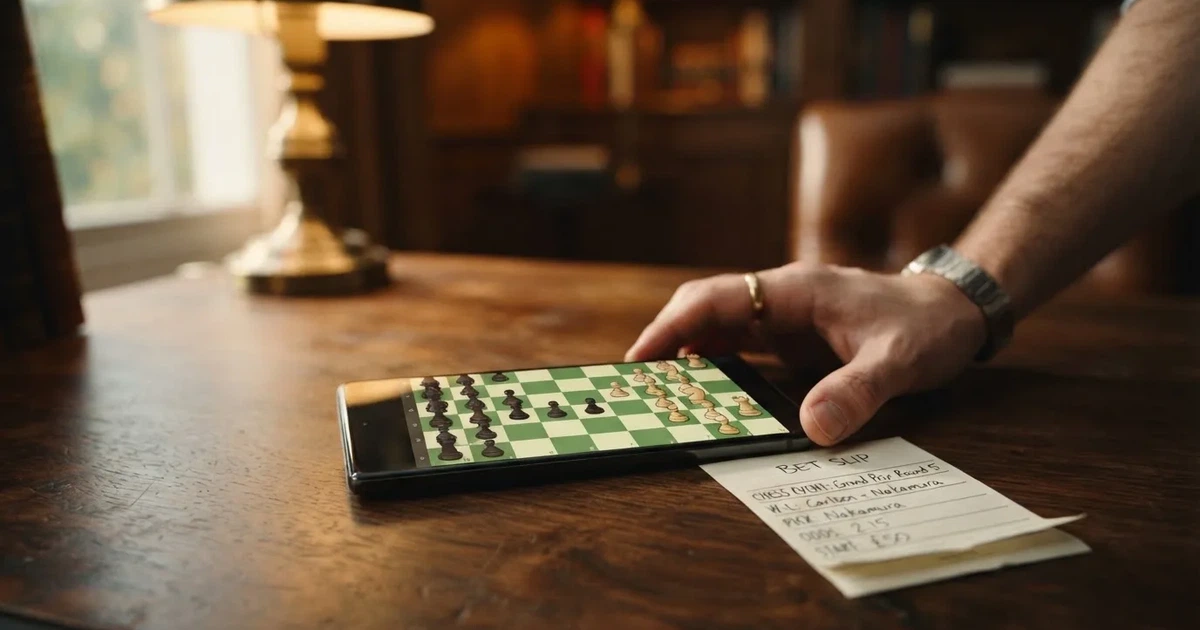
Responsible gambling in Great Britain: the safeguards a chess bet sits inside
Every bookmaker named on this page holds a remote licence from the Gambling Commission, and every one of them is signed up to GAMSTOP — the national multi-operator self-exclusion scheme that has been a licence condition for online operators since 31 March 2020. Signing up with GAMSTOP blocks new account openings and logins across every GB-licensed site and app for six months, one year, five years, or five years with auto-renewal. After the minimum period ends the exclusion stays in place for a further seven years unless the customer asks GAMSTOP to remove it. GAMSTOP is a separate system from the betting shops’ own self-exclusion: it covers online only.
A second safeguard sits in front of the first deposit. Since 7 May 2019 every licensed operator has to verify a customer’s name, address and date of birth before that customer can deposit, place a bet or use a free bet or bonus. There is no anonymous play on a licensed British site — and that includes the £5 qualifying wager that unlocks a welcome package. The check is light, automated in most cases, but it is not optional, and a book that asks for a driving licence or a payslip at sign-up is following the same rule.
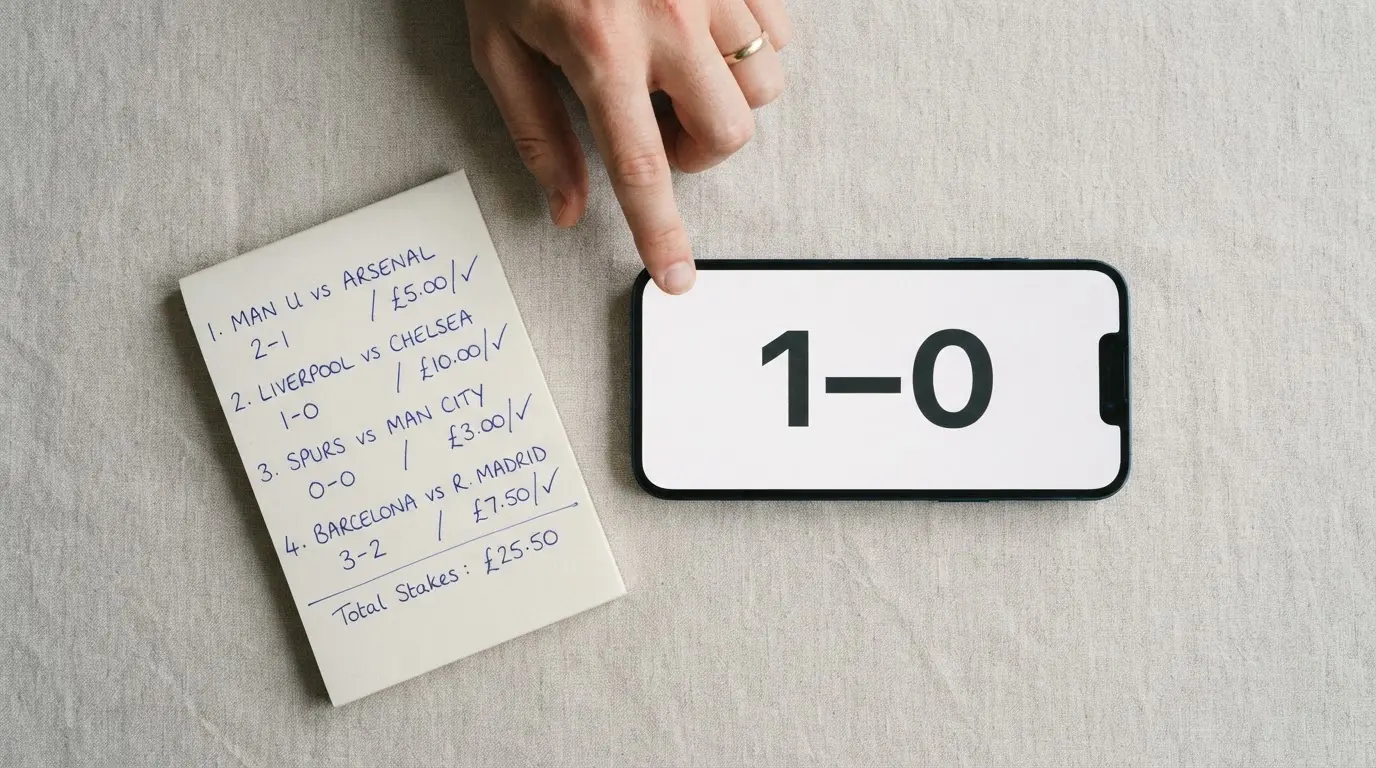
A third safeguard fires once a customer is in. A financial vulnerability check has applied to licensed remote betting since 30 August 2024, with the £150 deposit-net-of-withdrawal threshold in force since 28 February 2025. That threshold is a public-record check — bankruptcy, county court judgments and the like — not an income check and not a credit reference check. A separate financial risk assessment regime has been announced by the Commission in a staged plan (article of 7 July 2026), with no start date confirmed; readers should treat “affordability checks” as a forthcoming change, not as one already in force.
Help is reachable from every operator’s safer-gambling page: GamCare runs the National Gambling Helpline, GambleAware funds treatment and research, the NHS runs gambling clinics across England, and Gamblers Anonymous runs local meetings. Fitzwilliam Sports is one of the smaller bookmakers that links all four from its safer-gambling page, and most of the larger brands do the same.
The hardest part of responsible gambling on chess specifically is the rhythm of the game. A football match runs for ninety minutes and resolves. A chess game can run for ninety moves and resolve on a clock; a match can run for fourteen games over three weeks; a tournament can run for a fortnight and resolve on tie-breaks. The losses that hurt most in chess betting are the ones the punter did not see coming because the bet was placed on the wrong game of the wrong match. Set a deposit limit on the operator’s safer-gambling page before the first deposit, and stick to it.
Mobile and app: where most chess bets are placed in 2026
A chess bet in Great Britain is, in practice, a bet placed on a phone. The Sports Betting apps on the GB App Store — bet365, Betfred, William Hill, Sky Bet, BetMGM, 10bet, NetBet, Midnite, BetGoodwin — and the equivalent apps on Google Play are where the chess markets live, and the in-play markets in particular. A mobile browser works, but the chess lobby is built for the app, and a Bet Builder or an in-play price boost usually arrives first on the app.

The three things to check on the app before staking anything are simple. The first is the in-play layout: a chess game has 60,000 to 120,000 positions in it, and the in-play market on the app is the only place a punter gets a price that updates move by move. The second is the Bet Builder: bet365’s Bet Builder+ combines markets from one event into a single bet, available pre-match and in-play, and several of the other brands on this page — 10bet, NetBet — run a builder with dynamic odds. The third is the login method. Touch ID and Face ID are standard on the major apps; a passcode or a hardware security key is a defence against an unattended handset, which is the right defence to have on a market that runs while the phone is in a pocket.
bet365 is the official global betting partner of the UEFA Champions League, and its app is described as the most downloaded sports betting app in the UK. That download figure is for football and racing, not chess, but the in-play engine, the Bet Builder and the live streaming are the same ones a chess punter uses. Betfred’s Sports, Casino & Games app is published by Done Brothers (Cash Betting) Ltd and covers twenty-one sports plus over 2,000 casino-style games; the chess coverage sits inside that sports list. Lottoland UK’s app combines casino, lottery betting, sports betting and scratchcards; the chess lobby on it is small and is best treated as a backup, not a primary book.
A bet placed on an app settles on the app. That sounds obvious until the punter looks at an account statement on a desktop and finds the in-play markets they placed on a phone a week ago sitting in a different column. The cleaner the separation between phone-placed and desktop-placed, the easier the bankroll is to read at the end of the month — and on a slow chess market, that monthly read is the difference between a punter who knows where they are and a punter who does not.
Live chess betting and cash out: when a bet settles while the game is still going
A chess game is, structurally, an in-play event from move one. The first move is played, the position settles, the price moves, and the punter who has backed the favourite at 1.60 watches it drift to 2.20 over the next ten moves unless White consolidates. That drift is the market doing its job, and the in-play market on the major apps — bet365, Betfair, Sky Bet, William Hill, Betfred — markets books with a live feed that updates move by move on the bigger matches.
Cash out is the second tool in the live box. A cash-out price is the bookmaker’s offer to buy the bet back before the game settles, and on a fast-moving sport like football or tennis the price can swing two or three ticks between moves. On chess the swing is slower — a move is every two or three minutes at club level, every minute or two at elite level — so a cash-out price on chess is, in practice, a price that drifts in step with the position. The punter who cashes out a winning chess bet on move 25 of an 80-move grind is locking in a price the in-play market would have offered anyway. The punter who cashes out a losing chess bet on move 18 because the position has collapsed is, more often than not, locking in a loss at a worse price than the one the same book would quote two moves later. Cash out on chess is a tool, not a system.
In-play betting is not unrestricted on a GB licence — the controls are the operator’s licence conditions and customer-protection duties — but it is offered by every major brand on this page. bet365 runs an in-play product with live streaming of events worldwide, plus Match Live for following bets in play; the chess feed on it is live when the book chooses to carry the event, which is most FIDE-rated events at elite level and most of the leading national championships. 10bet’s sportsbook covers football, tennis and horse racing with cash out, a Bet Builder and live streaming; the chess coverage is inside the same sportsbook, and the in-play tab is the same one a punter uses for tennis. NetBet runs Daily Boosts, Profit Boosts and free bet offers alongside a Bet Builder with instant dynamic odds; the in-play tab on chess carries fewer events than the football or tennis tab, but the price feed is live.
The honest limit on live chess betting is the depth of the book. A Premier League match has £10 million matched on the in-play 1X2 inside the first ten minutes. A Candidates game has £20,000 matched across the whole match. Smaller books and thinner markets mean wider spreads, slower price updates, and a cash-out price that moves in bigger steps. The punter who lives on the Premier League in-play will find the chess in-play a quieter, slower read — and a punter who adjusts to that speed usually makes better decisions on it.
Chess betting predictions and strategy: the discipline of a thin market
Chess betting tips and chess betting strategies are the most-Googled phrases in this corner of the market, and they are the ones a punter should treat with the most care. There is no model that prices chess better than the betting market does in real time — the players do, and their Elo ratings, head-to-head records and recent form are the inputs to the bookmaker’s price. The punter’s edge, when there is one, is in the structure of the bet rather than the prediction of the result.
Three disciplines separate the punter who lasts in chess betting from the punter who does not.
The first is bankroll. A chess match can run for two weeks. The losing streak that comes from staking too much on the wrong leg of the wrong match can also run for two weeks. A flat stake of one or two per cent of the bankroll, set before the tournament starts, is the discipline most punter bankrolls are broken by the absence of.
The second is selection. The chess calendar is dense — FIDE-rated opens every weekend, national leagues in season, online rapid and blitz every evening. The punter who bets on every event is the punter who pays the margin on every event. The punter who bets on one tournament, studied in depth, pays the margin on one tournament. The skill is in the cut.
The third is timing. The opening price on the favourite in a chess match is set by the bookmaker, not by the market. The price drifts during the early games if the favourite wins slowly, and tightens if the favourite wins quickly. The punter who backs the favourite after a slow start is often taking a better price than the punter who backed at the opening line — but only if the favourite is still winning. Reading the position is the discipline, and it is the one that takes the longest to learn.
The honest line on prediction services: a tipster is someone who sells predictions, and a prediction is a guess in nicer clothes. No service can know who will win a chess game before it is played, and any service that claims it is selling something that does not exist. A punter who follows a tipster without a model they understand is paying a margin twice — once to the bookmaker, once to the tipster.
Bet types and odds on chess markets
Chess betting odds in Great Britain are quoted in fractional form by convention and in decimal form by the apps. A price of 5/1 (fractional) is 6.00 in decimal; a price of 11/4 is 3.75; a price of evens is 2.00. The conversion is the same as for any other sport: a/b in fractional becomes a ÷ b + 1 in decimal. The punter who reads decimal prices on the app and fractional prices on the desktop needs the conversion in their head, and it is the same conversion for every sport.
The bet types on chess are narrower than the bet types on football. Match result — White win, draw, Black win — is the core market on every book. The draw is not a refund: it is a third outcome, priced at somewhere between 2.50 and 4.00 on a balanced game between two equal players, and the price moves during the game as the position sharpens or collapses. Match result with draw no bet — the stake returns if the game is drawn — is offered by the bigger books on the bigger matches and is the cleanest way to back a favourite without taking the draw risk.
Series winner is the market on a multi-game match: best of 10, best of 12, best of 14, depending on the event. The price on the series winner is set by the book before game one and drifts with each result. A punter who backs the series favourite before game one is paying for the buffer; a punter who backs the favourite after game three of a tied series is paying for the lead. Tournament winner is the longest market and the one with the widest margin: a twenty-player round-robin has twenty outcomes, and the bookmaker’s overround on the tournament winner market is, on most books, two or three times the overround on a single game.
Correct score (game) is offered on some books on some matches: predicting the final score of the match (for example 6.5–4.5 in a Candidates match). The market is thin and the prices are wide. Total moves and first to draw are novelty markets offered by the bigger books on the bigger events; the margin on a novelty market is always wider than the margin on a core market, and the punter’s edge, if any, is in the structure of the bet rather than the prediction of the result.
The world chess championship in 2026 and the Candidates tournament are the two events with the deepest markets. The Candidates is the qualifier for the next World Championship match; the World Championship match is the title fight itself. Prices on the World Championship match are set months in advance and drift over the season; prices on a Candidates game are set the morning of the game and move move by move. Chess candidates 2026 betting odds and world chess championship 2026 betting odds are the same numbers, on different timescales.
The odds on every chess market carry the bookmaker’s margin, and the margin on a chess market is wider than the margin on a football market. The reason is the depth of the book: a £10 million matched market on a Champions League game leaves the bookmaker working on a 4–6% margin; a £20,000 matched market on a Candidates game leaves the bookmaker working on an 8–12% margin. The punter pays for the thinness of the market.
Chess tournaments and the calendar
Chess is, structurally, three calendars running at different speeds. The elite calendar runs to FIDE’s cycle: the World Championship match, the Candidates, the Grand Prix, the World Cup, the Grand Swiss. Wilhelm Steinitz, the first universally recognised World Chess Champion, claimed the title in 1886; Gukesh Dommaraju won the title in 2024, and the cycle that runs from his title defence is the cycle that runs the elite market. The FIDE Handbook is the rules governing for every FIDE-rated event, and a chess game is drawn by stalemate, by agreement, or by claim of threefold repetition or the fifty-move rule; since 2014 fivefold repetition and a 75-move rule end the game automatically. That last rule matters for in-play: a game can end by the 75-move rule without a checkmate, and the in-play market has to settle on it.
The club calendar runs to national federations and online leagues: the British Chess Federation, the German Bundesliga, the Russian League, the PRO Chess League, the online Titled Tuesday and Bullet Chess Championship events. The market on these events is thinner than the elite calendar, and the books that carry them are fewer — bet365, Betfair and William Hill are the three that consistently take a price on a Bundesliga or PRO League game.
The recreational calendar runs to FIDE-rated opens, weekend congresses and online rapid and blitz. The market on a weekend congress is mostly non-existent: the bookmakers do not take a price on a four-round Swiss, and a punter looking for action on one is looking at the wrong area.
Chess is played on an 8×8 board of 64 squares, with each player controlling 16 pieces. The result of a chess game is recorded as 1–0 for a White win, 0–1 for a Black win and ½–½ for a draw. That recording is the scoring the bookmaker settles on: a win is a win, a draw is a draw, and a default (for example a flag fall) is settled at the bookmaker’s terms. The settlement rules on chess are tighter than on football — the FIDE rules are explicit, and the bookmaker’s settlement follows them — and a disputed settlement on chess is rarer than a disputed settlement on football.
The punter who bets on chess year-round is betting on the elite calendar and the club calendar in season. The punter who bets on chess for a fortnight in autumn and a fortnight in spring is betting on the World Championship match and the Candidates, the two events with the deepest markets and the tightest margins.
The ten licensed bookmakers reviewed
The ten operators below are the ones whose domains are listed on the Gambling Commission’s public register against a licensee holding a remote betting licence for Great Britain. Several brands can run under one licensee; that is true across this list, and it is true of the British market as a whole. Every one of them offers GAMSTOP, age verification at sign-up, and the same broad set of safer-gambling tools. The differences are in coverage, in app quality, in offer terms, and in the kind of punter each one suits.
| Brand | Licence Number & Holder | Operator’s Terms |
|---|---|---|
| Midnite | 101839 (Midnite Limited) | In-play events, acca builder, popular accas |
| Tote | 54779 (TDCO Limited) | Pool betting on horse racing; sportsbook |
| BetGoodwin | 2927 (Goodwin Racing Limited) | Racing-led sportsbook; Sub-Cover bet |
| Sky Bet | 67370 (SBG Sports Limited) | Single/each-way markets focus |
| Unibet | 45322 (Platinum Gaming Limited) | Established 1999; 2:1 free-bet ratio |
| bet365 | 55148 (Hillside (UK Sports) ENC) | Deepest in-play; Bet Builder+ |
| 10bet | 43173 (Blue Star Planet Limited) | Cash out; Bet Builder; live streaming |
| Betfred | 39544 (Petfre (Gibraltar) Limited) | Racing-led; Best Odds Guaranteed |
| BetMGM | 39198 (LeoVegas Gaming PLC) | Four-part free-bet package |
| NetBet | 39170 (Netbet Enterprises Limited) | Daily/Profit Boosts; Bet Builder |
Midnite
Midnite holds Gambling Commission account 101839 and runs a sportsbook and a casino under the same brand. The site shows in-play events, an acca builder, popular accas and price boosts with maximum-stake limits — the price-boost mechanic is the same on chess as on any other sport, and the acca builder is the same builder that runs across the sportsbook. Midnite’s sports welcome package for new customers who bet £5 or more on pre-match odds of 2.0 (1/1) or greater within fourteen days of sign-up is four £25 in free bets and 50 free spins, valid for 7 days. The free bets are paid in single units of £5 — four of them, not one — and the wagering requirement on each one is the standard Midnite requirement. The £5 qualifying stake at minimum odds of 2.0 is light, but the four-unit structure spreads the free-bet value across four selections, and a punter using all four on one tournament is the most efficient use of the package. Midnite provides a clear four-unit structure for the punter who wants to spread their opening free bets across a tournament.
Tote
Tote holds Gambling Commission account 54779 under TDCO Limited, the pool-betting arm of the UK Tote Group. The product is pool betting on horse racing as its core, and a sportsbook that includes chess alongside football and racing. The Tote’s distinctive product is the pool: a dividend is paid rather than a fixed-odds price, and the size of the dividend depends on the pool size after the bookmaker’s take. Pool betting on chess is rare — the Tote is the only British book that runs it consistently — and a punter looking for pool pricing on a chess event is looking at Tote. The sports welcome offer on Tote is pool-betting-shaped rather than fixed-odds-shaped, and a punter used to fixed-odds pricing needs to read the Tote’s terms before they trade.
BetGoodwin
BetGoodwin holds Gambling Commission account 2927 under Goodwin Racing Limited, a smaller British operator with a racing-led sportsbook and a small but functional chess lobby. BetGoodwin’s sports welcome package is “Bet £10 & Get £15 in Free Bets”, made up of a £5 sports bet, a £5 acca and a £5 Sub-Cover bet. The £10 qualifying stake is light, the £15 in free bets is split across three bet types, and the Sub-Cover bet is the BetGoodwin-specific mechanic. BetGoodwin offers a Sub-Cover mechanic which rewards the punter who reads the specific terms before they place their qualifying stake.
Sky Bet
Sky Bet holds Gambling Commission account 67370 under SBG Sports Limited, the Sky-branded sportsbook. Sky Bet’s free bets expire thirty days after crediting, can be used only on single or each-way markets and not on multiples, are non-withdrawable and do not return the stake with winnings. Those four conditions are tighter than the conditions on most rivals’ free bets — the thirty-day expiry is on the longer end of the British market, but the single-or-each-way-only rule and the no-stake-return are the conditions that change how a free bet is used. A punter on Sky Bet uses a free bet on a single at a price high enough that the (odds − 1) ÷ odds ratio justifies the lost stake, and uses the free bet before the thirty-day window closes. Sky Bet’s sports welcome package is one of the larger headline numbers in the British market; the headline number is the gross, and the conditions above are the net.
Unibet
Unibet holds Gambling Commission account 45322 under Platinum Gaming Limited, Gibraltar, and has operated since 1999. The UK site is the British arm of the Unibet Group, the same group that runs the Kindred Group brands. Unibet’s sports welcome package is “Get £40 in Free Bets when you bet £20”: a deposit and sports bet of £20 or more at minimum odds of 2.0 (1/1), with free bets expiring within seven days of issue, for new GB customers using a debit card or instant bank transfer. The £20 qualifying stake at minimum odds of 2.0 is mid-weight, the £40 in free bets is a 2:1 gross-to-net ratio on the qualifying stake, and the seven-day expiry is on the shorter end of the British market. Unibet delivers a 2:1 welcome ratio, rewarding the punter who balances their qualifying stake against the seven-day window.
bet365
bet365 holds Gambling Commission account 55148 under Hillside (UK Sports) ENC, and is the official global betting partner of the UEFA Champions League. The bet365 app is described as the most downloaded sports betting app in the UK, and the in-play product on it — live streaming, Match Live, Bet Track, the Live Golf Tracker — is the deepest in the British market. bet365 offers Bet Builder+ (combining markets from one event into a single bet, available pre-match and in-play), Super Boosts, Winnings Boosts on Bet Builders and selected singles, and daily Bet Boosts. The chess feed on bet365 carries most FIDE-rated events at elite level and most of the leading national championships; the in-play engine updates move by move on the bigger matches. bet365 offers the deepest in-play product for the punter who requires live streaming and a wide array of price boosts.
10bet
10bet holds Gambling Commission account 43173 under Blue Star Planet Limited, with a sportsbook covering football, tennis and horse racing, with cash out, a Bet Builder and live streaming. The chess lobby on 10bet is smaller than the football or racing lobbies, but the in-play engine is the same and the Bet Builder runs across sports. 10bet’s sports welcome package is one of the standard fixed-odds packages in the British market, and the terms on it are the standard 10bet terms. 10bet is the choice for a punter who prioritises cash out and live streaming over the depth of the specific chess lobby.
Betfred
Betfred holds Gambling Commission account 39544 under Petfre (Gibraltar) Limited, with the Sports, Casino & Games app published by Done Brothers (Cash Betting) Ltd covering twenty-one sports plus over 2,000 casino-style games. The chess coverage on Betfred sits inside the sports list, and the in-play engine is the standard Betfred in-play engine. Betfred’s headline strength is its Best Odds Guaranteed on UK and Irish horse racing from 8 AM on the day of the race, on both single and multiple bets; it does not apply to ante-post, tote or pari-mutuel bets, and it does not apply to chess. Betfred’s sports welcome package is one of the standard fixed-odds packages in the British market. Betfred is the preferred book for a punter who values a strong racing product alongside their casual chess play.
BetMGM
BetMGM holds Gambling Commission account 39198 under LeoVegas Gaming PLC, with a sportsbook and a casino under the MGM brand. BetMGM’s sports welcome package for new UK customers who deposit £10 or more and place a sports bet within seven days is four £10 free bets (two football accumulators of 4+ selections and two sports multiples of 2+), valid for seven days with minimum odds and opt-in required. The £10 qualifying deposit is light, the four free bets are split across football accumulators and sports multiples, and the seven-day expiry is on the shorter end of the British market. The free-bet structure on BetMGM is football-heavy, and a punter using all four on a chess tournament needs to read the minimum-odds requirement on each one before they trade.
NetBet
NetBet holds Gambling Commission account 39170 under Netbet Enterprises Limited, with a sportsbook offering Daily Boosts, Profit Boosts and free bet offers, a Bet Builder with instant dynamic odds, and sports stats for major leagues. The chess lobby on NetBet sits inside the sports list, and the Bet Builder runs across sports. NetBet’s sports welcome package is one of the standard fixed-odds packages in the British market, and the Profit Boost on it is the NetBet-specific mechanic. NetBet suits a punter who wants a Bet Builder with dynamic odds and a Profit Boost on selected markets, and who reads the Profit Boost terms before they trade.
What the licence register looks like, and what it proves
The Gambling Commission’s public register is the whole test of whether a brand holds a GB licence. It can be searched by business name, trading name, domain or account number, and it lists the licence type, the categories under the licence, the licence holder, the trading names, and the sites the licence covers. The licence types for sports betting are remote general betting standard (real events), remote general betting standard (virtual events), remote general betting limited, remote pool betting and remote betting intermediary — the last being the licence for betting exchanges.
What the register proves is that the brand holds a licence at the time of the search. It does not prove the brand is offering chess; it does not prove the brand’s prices are competitive; it does not prove the brand is paying out on time. It proves the brand is regulated under the Gambling Act 2005 and is subject to the Commission’s Licence Conditions and Codes of Practice. The punter who checks the register before they open an account is checking the right thing; the punter who checks it instead of checking the betting terms is checking only half the picture.
The verification is a public process. A punter who wants to check a licence number they have been given can search the register, find the licence, and confirm the trading name, the licence holder, and the site listed. The licence number on the register is the same licence number that should appear on the operator’s own terms page; a mismatch is a red flag. The register’s access date matters: a licence check this morning is not a licence check next month, and a licence that was live last week can be suspended, surrendered or revoked in the time it takes for an operator to fail a Commission review.
The legal frame: what a GB licence means for the punter
A bookmaker serving customers in Great Britain needs a Gambling Commission licence wherever it is based. The requirement is set out in sections 33 and 36 of the Gambling Act 2005 as amended by the Gambling (Licensing and Advertising) Act 2014, and the test of who needs a licence is the test of who is providing gambling facilities to customers in Great Britain — the point of consumption, not the point of establishment. A Curaçao, Maltese or Gibraltar licence is not a substitute. There is no state monopoly and no cap on the number of licences; the market is open, the licensing test is fitness, and the regulator’s discretion on who to licence is broad.
The minimum age is 18. Name, address and date of birth are verified before a customer can deposit or gamble, and that includes with a free bet or bonus. There is no anonymous play on a licensed British site.
There is no statutory list of permitted bets or markets. An operator holds a licence for a category and offers markets under its own rules and the Commission’s Licence Conditions and Codes of Practice. In-play betting is offered by GB bookmakers and the controls are the operator’s licence conditions and customer-protection duties. Chess is treated like any other sport: the bookmaker offers markets under the licence, and the markets available depend on the bookmaker’s own terms and the depth of the market the bookmaker is willing to carry.
Credit cards are banned for gambling in Great Britain since 14 April 2020, including credit-card-funded payments through an e-wallet. Debit cards and bank-based payments are not covered by that ban. The ban is on the payment method, not the bookmaker; a credit-card-funded deposit at any licensed book is declined.
The player pays no tax on betting winnings in Great Britain (general information, not tax advice; a professional gambler should ask HMRC or an adviser). General Betting Duty is the operator’s tax on gross profits, currently 15% for remote betting, rising to 25% from 1 April 2027 within the new remote betting rate (HM Government policy paper of 26 November 2025), while remote bets on UK horse racing, bets on self-service betting terminals in licensed premises, pool betting and in-person betting stay at 15%. Until 1 April 2027 the remote rate stays at 15%. Whether operators pass duty on through odds is not established.
Advertising is not licensed by the Commission; it runs through the CAP Code (non-broadcast) and BCAP Code (broadcast), enforced by the ASA, alongside the LCCP marketing conditions. Promotion rules in force since 19 January 2026 cap wagering requirements on bonuses at 10x (a £10 bonus at 50x needs £500 of bets; under the cap no more than £100). Mixed-product promotions — an offer that requires gambling on two or more product types such as betting, casino, bingo and lottery — are banned.
The honest line on offshore: a GB licence is compulsory at the point of consumption. Providing gambling facilities in Great Britain without the licence the Act requires is an offence under section 33 of the Gambling Act 2005. No offence aimed at a customer who merely bets on an unlicensed site was found; the loss is in protection, not in law. An unlicensed site is not covered by GAMSTOP, has no Commission complaints route, has no approved dispute-resolution body, has no British consumer redress if funds are withheld, and is not bound by the 10x bonus cap or the £150 vulnerability check. Honest framing: licensed = checks, limits, GAMSTOP, bonus cap, but also verification before the first bet; unlicensed = none of those protections and possible loss of funds. Neither is “the safe choice” by default.
What the margin does to the odds: a worked example
The bookmaker’s margin is the cut the bookmaker takes from every unit bet on a market, and it is hidden inside the prices the punter sees. The arithmetic of it is straightforward, and the punter who understands it understands why a “balanced” 1.90 / 1.90 market is not balanced at all.
Take a two-way market at decimal odds of 1.90 on each outcome. The implied probabilities are 1 ÷ 1.90 on each side, which is 0.5263, or 52.63%. A “fair” book — a book with no margin — would have the implied probabilities sum to exactly 100%. On this market they sum to 105.26%, and that excess 5.26% is the bookmaker’s overround; the margin is 5.0%.
The same figure read from the punter’s side is the payout share: 1 ÷ 1.0526, which is 95.0%. A punter staking £100 on this market over many bets at the average price will, on the assumption every outcome is equally likely, receive back £95 in winnings for every £100 staked. The other £5 is the bookmaker’s take.
For a chess game between two players of equal rating, a 1.90 / 1.90 market is the kind of price the bookmaker quotes when the draw is not a third outcome. With the draw priced separately — White 1.85, draw 3.50, Black 2.20 on a balanced game — the implied probabilities sum to 1 ÷ 1.85 + 1 ÷ 3.50 + 1 ÷ 2.20, which is 0.5405 + 0.2857 + 0.4545, or 128.07% in total. The bookmaker’s margin on a three-way chess market is around 28% — wider than the 5% margin on a tight two-way market, and that is the price the punter pays for the draw being priced as a real outcome.
A market margin of around 25%–30% on a chess match result is typical for a top-level bookmaker on a top-level event; a market margin of 8%–12% is typical for a tighter book on a tighter event; a novelty market on a chess match (total moves, first to draw) routinely carries a margin of 15%–20%. The punter who reads the margin before they read the headline price is the punter who knows what the bet actually costs.
The result is a band, not a single figure, because the margin on chess varies by book, by event, by market and by the time of the bet. A 1.90 / 1.90 line at the opening of a market is not the same as a 1.90 / 1.90 line five minutes before the close, and a 1.90 / 1.90 line on a World Championship game is not the same as a 1.90 / 1.90 line on a weekend club game. The punter who treats the margin as a band rather than a number is the punter who reads the market honestly.
The verdict on each operator
A review that stops at the licence number has described an offer without judging it. The verdicts below are the page’s own call on each of the ten operators, written from what the specifications above actually establish. The subject of each closing sentence is the thing the block was about — the offer’s cost, the in-play product, the qualifying stake, the kind of punter each book suits — not the brand’s general fitness.
Midnite carries a small qualifying stake and a four-unit free-bet structure; the punter who plans all four bets in advance extracts more value from the package than the punter who lets one expire.
Tote runs pool betting on horse racing as its core and a sportsbook that includes chess; the punter who wants pool pricing on a chess event has one choice in the British market, and that choice is Tote.
BetGoodwin carries a £10 qualifying stake and a three-type free-bet structure including a Sub-Cover bet specific to the brand; the punter who reads the Sub-Cover terms before they trade is the punter who gets the package’s value.
Sky Bet carries a large headline number wrapped in four tight conditions — thirty-day expiry, single-or-each-way only, non-withdrawable, no stake return — that change how the free bet is used; the punter who prices the conditions in before they claim is the punter who keeps the net.
Unibet carries a 2:1 gross-to-net ratio on the qualifying stake and a seven-day expiry; the punter who places the qualifying bet inside seven days extracts the headline value, and the punter who waits extracts less.
bet365 carries the deepest in-play product in the British market and the widest range of price boosts; the punter who plans their tournament calendar in advance gets the most out of the chess feed.
10bet carries cash out, a Bet Builder and live streaming across multiple sports with a smaller chess lobby; the punter who wants a multi-sports product accepts the smaller chess lobby as the trade.
Betfred carries a multi-sports book with a strong racing product and a standard chess lobby; the punter who wants the Best Odds Guaranteed on racing and a standard chess lobby has one book for both.
BetMGM carries a £10 qualifying deposit and a four-free-bet structure split across football accumulators and sports multiples; the punter who plans all four bets in advance gets the most out of the package.
NetBet carries a Bet Builder with dynamic odds and a Profit Boost on selected markets; the punter who reads the Profit Boost terms before they trade is the punter who keeps the boost’s value.
What an offer really costs: the turnover question
The headline number on a welcome package is the gross. The net is what the punter has to stake to clear the package, and the net is the number the headline hides.
A free bet of £25 with minimum odds of 2.0 and no wagering condition has a gross value of £25 and an expected value of around £25 × (2.0 − 1) ÷ 2.0 × 95.0%, which is £11.88 in expected winnings. The expected value is the average over many bets at the average price; a single bet at a longer price wins more, a single bet at a shorter price wins less, and a losing bet wins nothing. The £25 in the headline is the gross the punter stakes with the bookmaker’s money; the £11.88 in expected winnings is the value the package is worth on average.
A free bet of £25 with a 5x wagering requirement at minimum odds of 2.0 has the same £25 headline and a turnover requirement of £125. The punter places £125 of qualifying bets, keeps any winnings above the £25 stake, and clears the requirement. The expected cost of clearing the requirement is £125 × the margin of the qualifying market — typically 5%–10% on a tight market, 15%–30% on a chess market — and the expected cost is the price the punter pays for the headline number. A £25 free bet with a 5x wagering requirement at a 20% market margin costs £25 in expected turnover cost; the £25 in the headline is balanced by the £25 in expected cost, and the package is worth what the punter’s selection prices it at.
A deposit-gated package — “deposit £10, get £25” — gates the free bet on a deposit rather than a bet. The qualifying action is the deposit, not the stake, and the punter who deposits £10 to unlock £25 in free bets is paying the expected turnover cost on the free-bet stake rather than on a qualifying bet. The economics are similar in shape, and the difference is in the qualifying action: a deposit is settled once, a qualifying bet is settled at the end of the match.
The honest line on the cost of an offer: the package is worth the net, and the net is what the punter keeps after the expected cost. The punter who reads the headline number is reading the gross; the punter who reads the turnover requirement, the minimum odds, the market margin, and the expiry window is reading the net. The two numbers are different on most offers, and the punter who prices both is the punter who knows what the offer is worth.
What an offer really costs: the qualifying stake
The qualifying stake is the bet the punter has to place to unlock the free bet. The cost of the qualifying stake is the punter’s expected loss on that stake, and that loss is the price the headline hides.
A £5 qualifying bet at minimum odds of 2.0 has an expected cost of £5 × the margin of the qualifying market. On a 5% market margin, the expected cost is 25p; on a 10% margin, the expected cost is 50p; on a 20% margin (a typical chess market), the expected cost is £1. The £5 stake is settled at the end of the event; a winning bet pays the stake back plus the winnings; a losing bet loses the stake. The punter who wins the qualifying bet pays nothing; the punter who loses pays the stake; the punter who plays many qualifying bets pays the average expected cost.
A £20 qualifying bet at minimum odds of 2.0 has an expected cost of £20 × the margin, and the £20 stake is four times the £5 stake. The £20 in expected turnover cost is the price the punter pays for the £40 in free bets, and the £40 in free bets is worth its expected value after the expected turnover cost is taken out.
The qualifying stake is the part of the offer the punter controls. A punter who chooses the cheapest qualifying bet at the cheapest qualifying market pays the smallest expected cost; a punter who lets the offer dictate the qualifying bet pays the offer’s price. The discipline of choosing the qualifying bet on the cheapest market the offer allows is the discipline that separates the punter who reads the offer from the punter who signs it.
Frequently asked questions
Where can a punter bet on chess in Great Britain?
A punter can bet on chess at any operator that holds a Gambling Commission remote betting licence and offers chess under that licence. The Commission’s public register lists the licence holders, and the operators reviewed above — Midnite, Tote, BetGoodwin, Sky Bet, Unibet, bet365, 10bet, Betfred, BetMGM, NetBet — are ten of the licensed brands offering chess. The register is the test of who is licensed, not a test of who is offering chess; a punter should check the operator’s own betting lobby for the current chess coverage before they open an account.
Is betting on chess legal in Great Britain?
Yes. Betting on chess is legal in Great Britain at any operator licensed by the Gambling Commission, under the Gambling Act 2005. There is no statutory list of permitted bets or markets, and the operator offers chess under its own rules and the Commission’s Licence Conditions and Codes of Practice. The minimum age is 18, identity is verified before the first deposit, and credit cards are not accepted for gambling.
How does a punter place a chess bet?
A punter opens an account at a licensed operator, verifies their identity, and selects a chess market from the operator’s sportsbook — match result, match result with draw no bet, series winner, tournament winner, correct score, or a novelty market. The punter chooses a stake, confirms the bet, and the bet is settled at the end of the event according to the operator’s settlement rules. Settlement follows the FIDE Handbook and the operator’s own terms; a disputed settlement is rarer on chess than on football because the FIDE rules are explicit.
How can a punter check that a bookmaker holds a Gambling Commission licence?
The Commission’s public register can be searched by business name, trading name, domain or account number. The punter enters one of those four fields, finds the licence, and confirms the licence holder, the trading name, the licence type, and the sites covered. The licence number on the register is the same licence number that should appear on the operator’s own terms page; a mismatch is a red flag. The register’s access date matters: a check this morning is not a check next month.
How is the return on a bet worked out from the stake and the odds?
Return equals stake multiplied by the decimal odds. A stake of £10 at decimal odds of 3.75 returns £37.50. Net profit equals stake multiplied by (odds minus 1); the same £10 stake at 3.75 returns £27.50 net profit. For a combination bet, the odds of the legs multiply into one price; a double at 2.00 and 3.00 has combined odds of 6.00, and the return is stake × 6.00. The stake is returned with the winnings on a winning bet at a licensed British book.
What is the bookmaker’s margin and how does it show in the odds?
The margin is the cut the bookmaker takes from every unit bet on a market, expressed as a percentage of turnover. On a two-way market at 1.90 / 1.90, the implied probabilities sum to 105.26%, the payout share is 95.0%, and the margin is 5.0%. On a three-way chess market at 1.85 / 3.50 / 2.20, the implied probabilities sum to around 128%, and the margin is around 28%. The margin is the difference between the fair payout and the actual payout; the punter who reads the margin before they read the headline price knows what the bet costs.
Tennis, darts & cue sports – Best betting exchange
Content created by the «Best betting exchange» team
