
Hurling betting online in Great Britain: how the prices are built and what an offer really costs
 Available in US
Hurling sits in a small corner of the British betting market. A 70-minute game with 15 players on each side, scores measured in goals and points, and a fixture list dominated by the provincial championships between April and July and the All-Ireland Senior Hurling Championship running through the summer. Most online bookmakers in Great Britain price the bigger GAA fixtures and a sprinkling of club games, then quietly drop coverage outside the championship months. That shape matters more than any single welcome offer, because the markets a punter can actually bet on live or in-play decide whether the rest of the page is worth reading.

This page is built around what hurling betting really costs a reader in Great Britain. Coverage of Gaelic games is thin compared with football and horse racing, the prices reflect that, and the welcome offers that look generous on a banner carry rollover rules that have to be run through before the headline number means anything. The licence question is settled for every operator named here: each holds a Gambling Commission remote betting licence and participates in GAMSTOP. What follows is the cost of those licences — the bonus rules, the margin inside the prices, and the safer-gambling checks the Commission now requires — set out plainly so a reader can compare them.
Current as of 27 October 2026. Licence claims were verified against the Gambling Commission’s public register.
The price of staying in control: what a licensed operator has to offer
The cheapest part of betting is the part nobody notices when it works. A bookmaker licensed by the Gambling Commission runs on a set of player-protection rules that the operator enforces on its own platform, and the bill for those rules is paid in frictions the customer feels: a verification step before the first deposit, a deposit limit a customer can set, GAMSTOP as a multi-operator exclusion, and a financial-vulnerability check once monthly deposits net of withdrawals pass £150 over a rolling 30-day window. None of these are optional. The Commission’s Licence Conditions and Codes of Practice make them part of holding the licence, and the same rules apply to every brand in the comparison below.
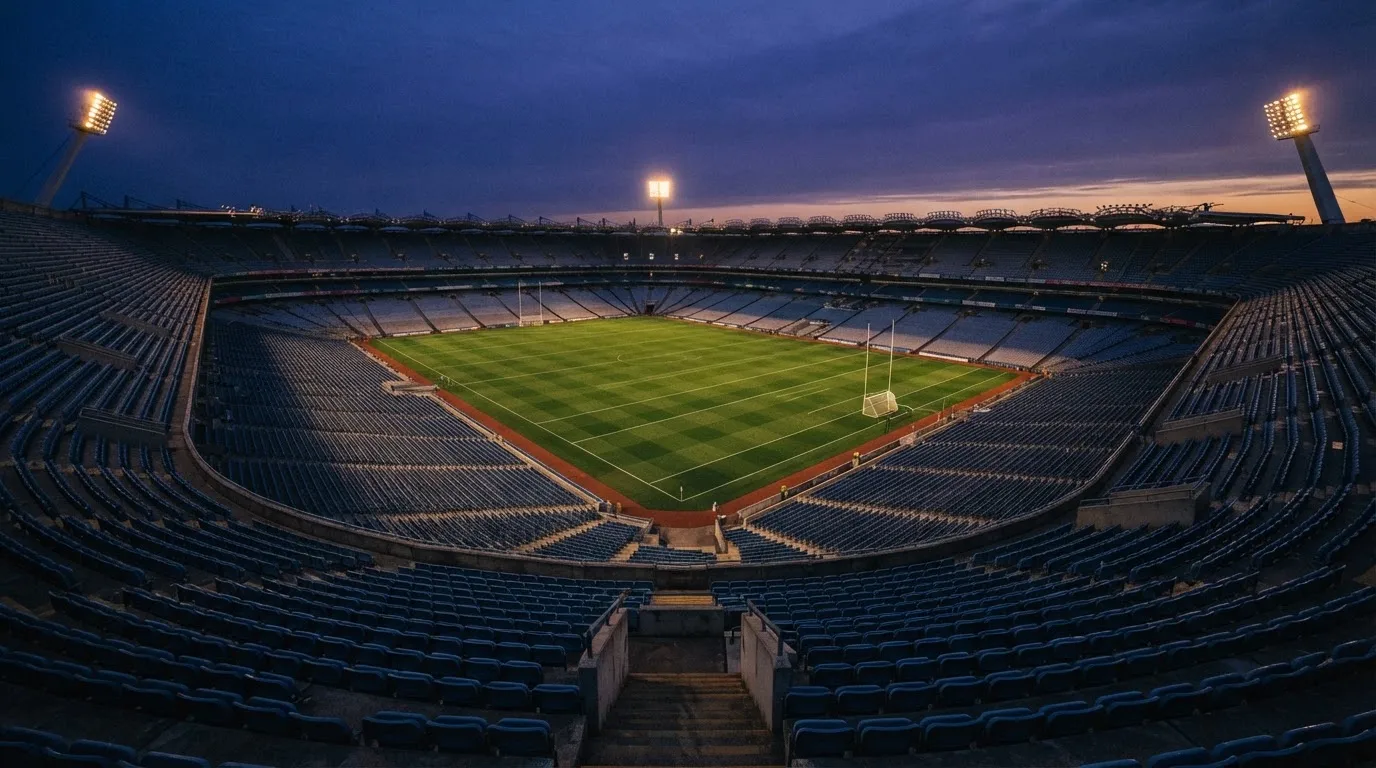
Identity verification is the front door. Since 7 May 2019, a customer cannot deposit or place a bet — including with a free bet or bonus credited at sign-up — until name, address and date of birth have been checked. Most operators use a credit-reference-style database and finish the check in minutes; some ask for a driving licence or passport scan. A reader who values anonymity will not find it at a GB-licensed site. That is the trade the licence sets.
GAMSTOP is the second door. Every operator named on this page is a GAMSTOP member, which means a customer who has self-excluded through GAMSTOP cannot open an account or place a bet with any of them. The minimum exclusion is six months; periods of one year, five years, or five years with auto-renewal are also available. After the minimum period the exclusion stays in place for a further seven years unless the customer asks GAMSTOP to remove it. The exclusion covers online sites and apps; the betting shop equivalent is a separate service.
Deposit limits sit at the customer’s choice. The Commission’s Remote Technical Standards require operators to offer a gross deposit limit on a fixed time frame; the first changes have applied since 31 October 2025, and a second phase was postponed to 30 September 2026. There is no state-set ceiling on what a customer may deposit — only the customer’s own limit, set in the account.
The financial-vulnerability check is the third door. Since 28 February 2025, once deposits minus withdrawals exceed £150 in a rolling 30 days, the operator runs a public-record check — county court judgments, bankruptcy, that kind of record. It is not an income check and it is not a credit-reference check. The published next step, a fuller financial risk assessment, has been announced in a staged plan with no start date. A reader hearing “affordability checks” in the press should hear the Commission’s actual wording: announced, staged, no start date.
Help lines sit behind those doors. GamCare runs the National Gambling Helpline. GambleAware funds treatment and education. The NHS runs gambling clinics in several regions. Gamblers Anonymous runs local meetings. Most licensed operators link to these directly from a “Safer Gambling” or “Responsible Gambling” footer, and Fitzwilliam Sports is one of several operators that name GamCare, GAMSTOP and Gamblers Anonymous from its homepage rather than burying the link two clicks deep. That is what the licence costs in pages and the work of pointing a customer somewhere they can call.
What the licences do not do is tell a reader which bookmaker is “safe”. Every operator on this page is licensed; none of them is the only licensed one, and a place in a top-ten comparison is not a licence. The honest framing is the one the Commission’s own materials use: licensed means checks, limits, GAMSTOP and a 10x cap on bonus wagering, with the inconvenience of verification before the first bet; unlicensed means none of those and possible loss of funds. The Commission does not block unlicensed sites the way some regulators do; it issues cease-and-desist notices, works with search engines, registrars, hosts and payment providers, and has been given or is about to receive court-order DNS blocking powers.
Bonuses and free bets: the headline and what it actually costs
Every welcome offer on this page has the same shape: a headline figure attached to a first qualifying bet, then terms that decide whether the headline number is what the customer ends up with. The price of clearing a bonus is the wagering multiple on the bonus, the minimum odds on the qualifying bet, the deadline for placing it, and the cap on what a free bet returns when it wins. The 10x bonus wagering cap that came into force on 19 January 2026 is the new ceiling, and most welcome offers in the GB market sit well inside it.
The free bet is the commonest offer. The stake is not returned with a free-bet win: a £50 free bet at odds of 3/1 pays £150 in profit, not £200. That detail is in the small print of every operator below and it is the one most often missed. Sky Bet states it directly — non-withdrawable, the stake is not returned, expiry 30 days from crediting, single or each-way markets only, no virtuals — and that wording is the model the rest of the industry follows. The headline “£30 in free bets” therefore pays a punter £30 × (decimal odds − 1) on a winning selection, which on a 5/1 shot comes to £150 in cash with no part of the £30 ever coming back.
The qualifying bet is the price of entry. Most offers require a first bet at minimum fractional odds — typically evens (2.00) or longer — settled within seven days. Hollywoodbets’ welcome offer is the clearest example: a £10 minimum deposit, a first accumulator of three legs or more at 4/1 or greater, settled within seven days, paying back the stake as a free bet of up to £30 if it loses. The cap on the free bet matters: a punter who loses on a £40 qualifying acca still walks away with a £30 free bet, not a £40 one. One free bet per customer.
BetGoodwin’s “Bet £10 & Get £15 in Free Bets” splits the headline into three £5 bets — a sports single, an accumulator and a “Sub-Cover” bet — so the free-bet stake is paid back across three selections rather than one. The BetGoodwin acca is built on three legs in a single bet; a reader has to read the breakdown to see that the £15 headline is £5 × 3, not £15 of free-bet stake that can be dropped on a single winner. Vbet’s £10 free bet on a first losing £10 bet is the simplest construction: a £10 qualifying bet, a £10 free bet if it loses, the free bet’s stake not paid back on a win.
Bet Ahoy’s “Bet £10 & Get £10 in Free Bets” follows the same shape as BetGoodwin, splitting £10 into a £5 sports bet and a £5 acca. The headline-to-stake ratio is worse than BetGoodwin’s, because £10 of headline buys £10 of stake rather than £15.
The 10x bonus wagering cap is the line every offer must stay inside. A £10 bonus at 50x needs £500 of qualifying bets; under the cap no more than £100 of qualifying bets is needed. None of the offers in the comparison below carries a published wagering multiple above 10x on the bonus element — Vbet’s free bet, Hollywoodbets’ free bet and BetGoodwin’s three free bets are non-withdrawable stake-returned credits that pay the headline in one go, with no rollover on the bonus itself. A reader should still read the terms, because the qualifying bet’s minimum odds and the seven-day settlement window are the part of the rule that costs them a stake they expected to win.
Mixed-product promotions are gone. An offer that requires gambling on two or more product types — betting on football to get free casino spins, for instance — has been banned since 19 January 2026. Every welcome offer in this comparison is a single-product offer on sports betting.
The price a reader actually pays is the expected loss of clearing the bonus, weighted by the margin of the markets the qualifying bets sit on. A punter who has to place a £10 qualifying bet at minimum odds of evens (2.00) on a market with a 5% margin expects to lose about 50p of that £10. A punter who has to run a free bet through at 3/1 on the same market expects to lose about a third of the headline value of the free bet over many attempts, because the free bet’s stake is not returned. The rest of this page spells those numbers out under each operator.
Live betting and cash out: what is actually offered on hurling
In-play coverage of hurling is thinner than football, horse racing or tennis, and the reason is the fixture list. Most in-play markets in the GB bookmaking industry follow the major televised sports, and hurling sits behind Gaelic football in the same way League of Ireland sits behind the Premier League: present, priced, but never the centrepiece. What an operator calls a live hurling market varies. Some bookmakers price the match winner and the next score only; others price a running handicap, total points and a next-goal market. The exact menu is a thing a reader has to check on the betting slip on the day of the match, because none of the welcome offers in this comparison are tied to live hurling coverage and the brands themselves do not advertise a fixed live menu for the championship.
The mechanics of live betting are settled by the operator’s licence. In-play betting is offered by GB bookmakers under their own licence conditions and customer-protection duties; the Commission does not maintain a list of permitted live markets and the controls sit with the operator. A bet placed in-play settles on the official result at the end of normal time including injury time; extra time does not count unless the market’s rules say so. That rule is stated in one GB bookmaker’s Gaelic games terms — Sky Bet’s Gaelic Games rules spell it out in plain language — and the same wording is broadly standard across the GB market.
Cash out is a feature of the operator, not the sport. Most of the brands in this comparison offer cash out on football, horse racing and the bigger in-play sports; on hurling the cash-out button is most reliably present on the match winner and on outright markets like the All-Ireland Senior Hurling Championship, and is more patchy on the in-play totals and handicaps. bet365’s Match Live, Bet Track and Live Golf Tracker are examples of how the same operator builds in-play tracking around the sports it covers well; the same depth of in-play tracking is not available for hurling on any of the GB operators named here.
Bet Builder is the feature that has reshaped football and is creeping into other sports. bet365’s Bet Builder+ combines markets from one event into a single bet pre-match or in-play; on hurling it typically covers the match winner, total points, total goals, handicap and a small selection of player markets where the operator has priced them. Sky Bet and Paddy Power run their own versions. Matchbook, as a betting exchange, lets customers build their own multi-leg bets from the available markets rather than offering a fixed builder tool. Whether Bet Builder is live for a specific hurling match is a thing the operator’s own slip shows, and the answer is most often yes for the All-Ireland quarter-finals and beyond, and no for the provincial rounds.
Live streaming on hurling is rare at GB bookmakers. bet365 streams thousands of events live worldwide but its coverage of Gaelic games is limited; horse racing and greyhound streaming is much more common, and Matchbook streams horse racing and greyhounds directly. A punter wanting to watch a hurling match live and bet in-play will most often have to rely on a stream outside the bookmaker’s app — GAA’s own GAAGO service, club streams, or televised coverage — and the betting slip next to it.
The honest position on live hurling is this: in-play is offered, the price of a live market is slightly wider than the equivalent pre-match price because the bookmaker’s risk window is longer, and the depth of in-play markets is what the operator happens to have priced that day. A reader should treat the live menu on hurling as a bonus feature on a bookmaker they have chosen for other reasons, not as the reason to choose it.
Bet types and odds: how the prices are built
The price on a hurling market is the price on a small sport, and a small sport’s prices are slightly wider than football’s. The bookmaker’s margin is the cut the operator keeps of every unit bet on the market; it sits inside every decimal price and inflates every fraction. On a two-way market priced at 1.91 / 1.91 the implied probabilities are 52.4% + 52.4%, which sums to 104.8% — the 4.8% surplus over 100% is the margin. A market priced at 1.95 / 1.95 has a smaller margin (about 2.6%); a market priced at 1.80 / 1.80 has a much larger one (about 11.1%). The thinner the market, the wider the margin, because the bookmaker has to price more cautiously against a smaller pool of liquidity.
The formula is fixed. For a market with n outcomes at decimal odds o₁ … oₙ, the payout share is 1 ÷ (1/o₁ + 1/o₂ + … + 1/oₙ); the margin is 1 − payout share. Worked through on an illustrative two-way market at 1.90 / 1.90, the implied probabilities are 52.6% + 52.6% = 105.3%, and the margin is 5.0% (with an overround of 5.3%) — which is the band a reader should expect on a mainstream hurling match-winner market with normal liquidity. A 5% margin sits at the upper end of mainstream football pricing and the lower end of minor-sport pricing. The wider the margin, the more of every pound bet the bookmaker keeps on average; the narrower the margin, the more returns to the punter.
The return on a winning bet is the stake times the decimal odds. A £10 bet at 5/1 (decimal 6.00) returns £60 — the £10 stake plus £50 of profit. A £10 each-way bet at 5/1 is two £10 bets, so the stake is £20; if the selection wins, the win part pays £60 (£10 × 6.00) and the place part pays a fraction of that depending on the place terms; if the selection places but does not win, the place part pays and the win part loses. Each-way betting is mostly a horse racing concept; on hurling it applies to outright tournament markets where an each-way price pays a fraction of the odds for reaching the final or semi-final.
The accumulator multiplies the odds of each leg into one price. A four-fold accumulator with legs at 2.00, 2.50, 1.80 and 3.00 has combined odds of 27.00 — the legs multiplied together. A £5 stake returns £135 on a winner. The accumulator’s combined margin is wider than any single leg, because each leg’s margin carries through the multiplication; a punter running a four-fold on markets with 5% individual margins faces a roughly 19% margin on the combined bet. Acca insurance — a refund as a free bet if one leg lets the punter down — is offered by some bookmakers; bet365’s Bet Builder+ with Winnings Boosts and Bet Boosts is the most heavily marketed version of the feature.
Bet Builder is the same idea on one event. The bettor selects several markets from the same match — match winner, total points, first goalscorer, handicap — and the bookmaker prices them as a single bet. The combined margin of a Bet Builder is wider than the margin of the same selections priced separately, because the bookmaker’s correlation risk is harder to hedge. On hurling, Bet Builder is most reliably available for the bigger All-Ireland fixtures and is rarely offered for provincial games.
The starting price is the price the bookmaker settles at when no fixed price was taken. SP is a horse-racing term but the principle — settle at the market consensus price at the start of the event — applies to other sports where the operator offers it. Best odds guaranteed (BOG) means the punter gets the bigger of the price taken and the starting price. Neither term is routinely used in hurling markets.
The Rule 4 deduction is a bookmaker’s rule that adjusts winning bets when a selection withdraws. It is a horse-racing term and rarely applies to hurling because withdrawals are rare in a 15-a-side team sport, but a bookmaker’s terms apply it where the situation arises.
The odds format the reader sees depends on the bookmaker’s own settings. The default on most GB bookmakers is fractional (5/1, 11/4, evens) with decimal as a toggle. The conversion from fractional a/b to decimal is a ÷ b + 1: 5/1 becomes 6.00, 11/4 becomes 3.75, evens becomes 2.00. Odds-on prices are shorter than evens: 4/6 is 1.67 in decimal. The two formats describe the same price and the same margin; the choice is a reader’s preference.
What the reader pays for the price is the margin. A 5% margin means the bookmaker keeps 5p of every £1 bet across all outcomes of the market over a long run. A punter who places the same £10 bet on every outcome of a 1.90 / 1.90 market gets £10 × 1.90 = £19 back on a win and £0 on a loss; the bookmaker takes £10 on the loss and pays out £19 on the win, pocketing the £20 − £19 = £1 surplus over the round. That £1 is the margin in money. The wider the margin, the bigger the surplus; the narrower the margin, the smaller it is.
The hurling season and its markets
Hurling runs from late winter to high summer. The National Hurling League runs from February to April. The provincial championships — Leinster and Munster — run from May to early June, with the All-Ireland Senior Hurling Championship running from June through to the final in mid-July. The All-Ireland Club Hurling Championship runs from November through to St Patrick’s Day. Outside those windows the major bookmakers in GB price only the bigger club games and the international rules series with Australia.
In the 2026 All-Ireland Senior Hurling Championship, Leinster has six teams and Munster five, each in a round-robin group; the top two meet in the provincial final and the third-placed team goes to the All-Ireland quarter-finals. The 2026 final was won by Limerick, who beat Galway at Croke Park on 19 July 2026. Tipperary won the 2025 final. The same teams — Limerick, Kilkenny, Tipperary, Galway, Waterford, Cork, Clare, Wexford — dominate the outright market every year, and a reader pricing the championship winner is pricing a tournament where one of six or seven teams is realistically in the running.
The match markets a GB bookmaker offers on a hurling fixture are the standard set. Match winner (no draw offered: extra time resolves the deadlocked match) is the headline market; total points and total goals are the totals; a handicap on the favourites sits one or two goals above the line; first goalscorer and last goalscorer are priced on the bigger fixtures. Outright markets run alongside: championship winner, top scorer, provincial winner, man of the match in the final. The number of markets on a provincial round fixture is much smaller than on a quarter-final or semi-final.
The odds on the All-Ireland winner shift through the year. Limerick’s price after winning the 2025 final sat in single figures; it drifted in early 2026 as injuries and form changed, then shortened again as the championship approached. Kilkenny and Tipperary traded in the 6/1 to 10/1 band through the spring; Galway drifted as the championship moved into the summer. A reader pricing the outright in February is pricing a market where the field is wide; pricing it in June is pricing a market where the field is short and the margin is correspondingly tighter.
The All-Ireland Club Hurling Championship is the second major market. Ballyhale Shamrocks, Na Fianna and a handful of Kilkenny and Cork clubs dominate the betting; the championship runs from county finals in autumn through to the All-Ireland final on St Patrick’s Day. The number of bookmakers offering outright markets on the club championship is smaller than on the senior championship; the welcome offers in this comparison reference “all ireland club hurling betting” in the promotional copy, and that is the depth of the market a reader sees.
The League of Ireland and the lower tiers are not the focus of the GB bookmaking market. Camogie, the women’s hurling equivalent, is sparsely priced; most GB bookmakers price only the inter-county championship finals. A reader looking to bet on a county minor or under-20 fixture will most often find no market at all.
What a licensed GB bookmaker offers on hurling in the off-season is a thin outright market, an outright on the All-Ireland Club Hurling Championship, and the international rules series with Australia. What it offers in the championship months is a full match menu on the bigger games and a thinner menu on the provincial rounds. The depth of in-play markets follows the same pattern: live match winner and next-score on the bigger games, narrower live markets on the provincial rounds. A reader who wants a deep live menu on every hurling fixture will not find it at any of the operators named here.
The comparison: ten operators and what each one does on hurling
The ten operators below are listed in the order research sets out, with no ranking on hurling coverage itself, because no single brand dominates a thin market. Each entry covers the licence, the welcome offer in qualitative terms, and the features that matter for hurling specifically. The verdict at the end of each block is the page’s own call on what the operator is worth for a hurling punter.
VBet — simple free bet, broad football coverage
VBet holds a Gambling Commission remote general betting licence (044662-R-324273-022) with SCGO Limited as licence holder. Its sports welcome offer is a £10 free bet when a new, verified customer stakes £10 or more on a first-ever bet that loses. This is a single-product offer on sports betting, well inside the 10x bonus wagering cap, with no wagering multiple on the bonus element.
Hurling coverage at VBet is part of a wider menu that runs heavily on football, with the major European leagues and Champions League priced in depth. The operator’s outright markets on the All-Ireland are usually present through the championship months; the in-play menu is thinner than bet365’s but covers the match winner on the bigger games. The operator’s safer-gambling tools follow the Commission’s licence conditions; verification is required before the first deposit.
A reader who wants a low-friction welcome offer and is happy with mainstream football coverage as the bigger reason to choose the brand will find VBet’s £10 free bet hard to beat on simplicity. The free bet’s stake is not returned, so the headline £10 is £10 × (decimal odds − 1) on a winning selection. For a hurling punter the offer is the entry, not the reason to stay; the reason to stay is the rest of VBet’s menu.
Sporting Index — fixed odds and spread betting under one roof
Sporting Index holds a Gambling Commission remote general betting licence (027343-R-308898-011) with Sporting Index Limited as licence holder. It lets customers switch between fixed-odds and spread betting, runs in-play markets, offers Bet Builder on football, auto cash-out and Multi-Markets. The spread-betting feature allows a customer to take a fixed-odds position on a hurling winner and a spread position on total points.
The spread-betting side is regulated by the Financial Conduct Authority where the spread is on a financial instrument, and by the Gambling Commission where it is on a sports outcome. The operator’s homepage makes this clear, including the line that spread-betting losses can exceed deposits. The point matters: a fixed-odds punter moving into spread betting for the first time should read the spread product’s own terms before placing the first bet, because the mechanics of buying and selling a spread are not the same as placing a single at fixed odds.
Hurling markets at Sporting Index run through the championship months; the brand’s strength is horse racing and football, with hurling as a smaller part of the menu. A reader who wants to combine a fixed-odds match winner with a spread position on the total points in the same match will find that combination here and not at the other nine operators on this page.
The verdict is the structure of the brand. For a hurling punter who also bets on horse racing and wants spread betting on the bigger football matches, Sporting Index is the place where fixed odds and spread meet. For a punter who wants only fixed odds on hurling and football, the spread-betting option is a feature they do not need.
Hollywoodbets — accumulator-led welcome, horse racing focus
Hollywoodbets holds a Gambling Commission remote general betting licence (053028-R-330019-013) with Hollywoodbets International UK Limited as licence holder. Its sports welcome offer is built around a qualifying accumulator: deposit £10 by card, place a first acca of three legs or more at 4/1, settled within seven days, and the stake returns as a free bet of up to £30 if it loses. One free bet per customer.
The acca structure is the distinctive feature. A punter whose first bet is a £10 single does not qualify; a punter whose first bet is a £10 treble at 4/1 does. The free bet is capped at £30 even if the qualifying acca was larger, which is the part most often missed. Hollywoodbets’ strengths on the British market are horse racing and South African football; hurling coverage is part of the wider GAA menu and is present on the bigger championship fixtures.
The 7-day settlement window is tight. A punter who places the qualifying bet on a provincial round and waits for a delayed result has to track the settlement date carefully. The non-withdrawable, stake-not-returned free-bet terms are the industry standard and apply here.
A hurling punter who bets accumulators as a matter of course will find the welcome offer built for them. A punter who bets singles will not qualify and should look elsewhere. The brand is worth knowing for the horse racing menu and the acca-led welcome; the hurling menu is present but is not the reason to choose Hollywoodbets.
BetGoodwin — split free bets, racing heritage
BetGoodwin holds a Gambling Commission remote general betting licence (002927-R-327985-008) with Goodwin Racing Limited as licence holder. Its sports welcome offer is “Bet £10 & Get £15 in Free Bets”, split into a £5 sports single, a £5 accumulator and a £5 “Sub-Cover” bet. The £15 headline is £5 × 3.
BetGoodwin’s heritage is horse racing — the brand traces its name to a long-running racing tipster operation — and the racing menu is the strength. The “Sub-Cover” bet is a marketing name for a free bet the operator credits on a specific named race meeting; the terms on which the free bet is paid are stated in the offer’s small print. Hurling coverage runs through the GAA menu and the outright market on the All-Ireland.
The £5-per-bet split means each free bet’s stake is small, so the headline’s value depends on the punter finding three selections at sensible odds. A £5 acca on 5/1, 4/1 and 3/1 legs has combined odds of 119/1, and a £5 stake pays £600 at those prices with the stake not returned — £595 of profit. The headline £15 is therefore potentially large on the acca leg and modest on the single and the Sub-Cover bet.
The verdict is the racing-first positioning. A hurling punter who also bets on horse racing will find BetGoodwin’s racing menu the reason to choose the brand; the welcome offer is the entry, and the racing menu is the reason to stay.
bet365 — Champions League partner, the heaviest in-play product
bet365 holds a Gambling Commission remote general betting licence (055148-R-331498-002) with Hillside (UK Sports) ENC as licence holder. As a major global partner of the UEFA Champions League, it runs the most-downloaded sports-betting app in the UK. Its promotional lineup, including Bet Builder+, Super Boosts and Winnings Boosts, is run through the app and website; terms change regularly, so a punter should check the offer page at sign-up.
The product is the heaviest on this page. Bet Builder+ combines markets from one event into a single bet pre-match or in-play. Super Boosts and daily Bet Boosts raise the price on selected markets. Winnings Boosts on Bet Builders and selected singles add a percentage to the return on a winning bet. In-play betting covers the operator’s full sports menu with live streaming of events worldwide, Match Live, Bet Track and a Live Golf Tracker.
On hurling specifically, bet365’s outright market on the All-Ireland is reliably present from spring to summer; the in-play menu on Championship matches includes the match winner, total points, total goals, handicap and a small selection of player markets where the operator has priced them. The depth of in-play markets is the widest on this page; a punter who bets in-play on hurling as well as football will find bet365 the heaviest product.
The verdict is the product. For a punter whose betting runs across hurling, football, horse racing and tennis, and who wants the deepest in-play menu in the GB market, bet365 is the place. The promotional terms change often, so a reader should not trust a third-party summary of the welcome offer and should check the brand’s own page at sign-up.
Bet Ahoy — split free bets, smaller welcome
Bet Ahoy holds a Gambling Commission remote general betting licence (100094-R-341742-003) with Bet Ahoy Ltd as licence holder. Its sports welcome offer is “Bet £10 & Get £10 in Free Bets”, split into a £5 sports bet and a £5 accumulator. The £10 headline is £5 × 2 — a smaller split-free-bet offer.
Bet Ahoy’s coverage of GAA sports is part of a wider menu that lists Gaelic games in its rules, with markets present on the bigger championship fixtures. The brand is smaller than bet365, Paddy Power or Sky Bet, and the depth of its in-play menu on hurling is correspondingly thinner.
A £10 punter looking for a simple welcome will find Bet Ahoy’s offer straightforward: a £10 qualifying bet at minimum odds, two £5 free bets credited on settlement, the stake not returned on either. The headline-to-stake ratio is the worst on this page — a £10 headline for £10 of free-bet stake, against BetGoodwin’s £15 for £10 — and a reader comparing offers side by side will see that.
The verdict is the offer’s simplicity. For a punter who wants a small, low-friction welcome and is happy with mainstream coverage of football and racing alongside a smaller hurling menu, Bet Ahoy is a reasonable choice. The brand is not the place to find the deepest in-play product on hurling, and that is the honest position.
| Brand | Gambling Commission remote licence number and licence holder | What the operator’s own terms state on the key’s subject |
|---|---|---|
| VBet | 044662-R-324273-022, SCGO Limited | Simple £10 free bet welcome offer |
| Sporting Index | 027343-R-308898-011, Sporting Index Limited | Fixed odds and spread betting available |
| Hollywoodbets | 053028-R-330019-013, Hollywoodbets International UK Limited | £30 free bet on a qualifying accumulator |
| BetGoodwin | 002927-R-327985-008, Goodwin Racing Limited | £15 in free bets across three selections |
| bet365 | 055148-R-331498-002, Hillside (UK Sports) ENC | Deep in-play product and Bet Builder+ |
| Bet Ahoy | 100094-R-341742-003, Bet Ahoy Ltd | £10 in free bets across two selections |
| Paddy Power | 039439-R-319330-013, PPB Counterparty Services Limited | Wide promotional lineup and match markets |
| Geoff Banks | 054095-R-330366-010, GB Sports Advisors Limited | Deep ante-post pricing and racing-led focus |
| Sky Bet | 067370-R-341330-005, SBG Sports Limited | Plainly stated free-bet terms and racing focus |
| Matchbook | 039504-R-319407-024, Triplebet Limited | Betting exchange with commission-based model |
Paddy Power holds a Gambling Commission remote general betting licence (039439-R-319330-013) with PPB Counterparty Services Limited as licence holder. Its app covers major sports including football, horse racing and GAA, which sits in the same menu. It is one of the largest high-street operators in the UK, with a promotional lineup featuring price boosts and money-back specials.
Paddy Power is one of the largest high-street brands in British betting, and its promotional lineup runs through price boosts, money-back specials, enhanced odds and a rotating set of sport-specific offers. The welcome offer is part of that programme and changes regularly; a punter should check the brand’s own page at sign-up. The promotional lineup is the reason most readers pick Paddy Power over the smaller operators on this page.
On hurling specifically the menu runs to match winner, totals, handicaps and outright markets on the bigger championship fixtures; the in-play product is wide on football and present but thinner on hurling. The brand’s safer-gambling tools are part of the standard licence conditions; the verification before first deposit is the Commission’s rule rather than the operator’s.
The verdict is the promotional lineup. For a punter who wants price boosts, money-back specials and enhanced odds across football and horse racing, with hurling present as part of a wider menu, Paddy Power is one of the largest reasons. The welcome offer is the entry; the promotional lineup is the reason to stay.
Geoff Banks — racing-led, ante-post focus
Geoff Banks holds a Gambling Commission remote general betting licence (054095-R-330366-010) with GB Sports Advisors Limited as licence holder. Its app offers live in-play prices and ante-post prices on future events. The brand is racing-led, with the ante-post product as the headline feature.
Ante-post betting is the practice of taking a price on an outcome well before the event: the All-Ireland Senior Hurling Championship winner at the start of the year, the All-Ireland Club Hurling Championship winner at the county-final stage, the top scorer at the start of the championship. Geoff Banks’ ante-post menu is the deepest on this page; a punter pricing a championship at long odds early in the year is most likely to find the price here.
The in-play product on GAA sports is narrower than bet365’s or Paddy Power’s; the brand’s strength is the ante-post pricing. The welcome offer is part of the standard promotional lineup and a punter should check the brand’s own page at sign-up for the current terms.
For a punter whose hurling betting runs through outright markets and ante-post prices rather than in-play match markets, Geoff Banks is the place. For a punter whose betting runs through singles, doubles and accumulators on the match markets, the racing-led product is a feature they will not use.
Sky Bet — clearer safer-gambling terms, racing-led
Sky Bet holds a Gambling Commission remote general betting licence (real events) under account 67370, with SBG Sports Limited as licence holder. The brand’s free-bet terms are the most clearly stated on this page: free bets expire 30 days after crediting, can be used on single or each-way markets only (not multiples, not virtuals), are non-withdrawable and do not return the stake with winnings. The wording is the model the rest of the industry follows and a punter who has not read a free-bet terms page before will find Sky Bet’s the easiest to understand.
Sky Bet’s racing product is the headline: best odds guaranteed on UK and Irish racing, extra places on the bigger meetings, a deep menu of ante-post prices. The GAA menu sits alongside the racing product and includes the All-Ireland outright market and the bigger match markets. The brand is one of the larger high-street operators in GB and the safer-gambling tools follow the Commission’s standard licence conditions.
For a punter who wants a free-bet whose terms are spelled out plainly and a racing-led product with GAA sports in the menu, Sky Bet is the place. For a punter who wants the heaviest in-play product on hurling, bet365 remains the heavier choice.
Matchbook — betting exchange, different prices
Matchbook is a betting exchange rather than a traditional bookmaker; the brand holds a Gambling Commission remote general betting licence (real events) and a remote betting intermediary licence under account 39504, with Triplebet Limited as licence holder. Customers bet against each other: a back bet is a bet that something will happen at the price offered, a lay bet is a bet that something will not happen at the price offered. The exchange takes a commission on net winnings rather than building a margin into the price.
The commission structure is what makes an exchange different. Matchbook’s published commission rates apply on net winnings per market, and the rates vary by sport and by customer tier. The price a punter sees on a hurling match is the price another customer has laid or backed, and the depth of the market is the value of the unmatched bets sitting on the platform. A market with thin liquidity is a market with a wide spread between the best back and the best lay price.
The exchange runs Bet Builder, multiples, in-play betting and live streaming of horse racing and greyhound racing. Hurling markets run on the bigger championship fixtures, with the match winner and the totals typically priced; the depth of the liquidity is thinner than on football or horse racing, so a punter placing a large bet on a hurling match will move the price more than on football.
The verdict is the structure. For a punter who wants to lay bets as well as back them, who wants the deeper price an exchange offers when liquidity is good, and who is happy to pay commission on net winnings rather than margin into the price, Matchbook is the place. For a punter who wants the conventional bookmaker experience with a price-boost and money-back specials, a traditional operator is the right choice.
How it all sits under British law
The legal frame for hurling betting in Great Britain is the Gambling Act 2005 and the Gambling (Licensing and Advertising) Act 2014. The Gambling Commission, a non-departmental public body sponsored by the Department for Culture, Media and Sport, licenses the whole commercial market. The Act covers Great Britain — England, Scotland and Wales. Northern Ireland is outside the Act and has its own older law, so a GB licence does not regulate betting in Northern Ireland; a reader in Belfast who bets with a GB-licensed operator is on a GB licence by the operator’s choice, not by the law of Northern Ireland.
Since the 2014 Act, an operator whose remote facilities are used in Great Britain needs a Gambling Commission licence wherever it is based — sections 33 and 36 of the 2005 Act as amended. A Curaçao, Maltese or Gibraltar licence is not a substitute. There is no state monopoly and no cap on the number of licences. The Commission’s public register can be searched by business name, trading name, domain or account number, and is the whole test of whether a brand holds a licence; a punter can run the same check on any brand’s domain or trading name. Licensed operators use .com as well as .co.uk, so the domain proves nothing on its own.
The licence categories cover remote general betting standard (real events), remote general betting standard (virtual events), remote general betting limited, remote pool betting and remote betting intermediary (the licence for betting exchanges). Every operator named in the comparison above holds remote general betting standard (real events); Matchbook additionally holds remote betting intermediary. Financial spread betting is regulated by the Financial Conduct Authority, not the Commission — that is the reason Sporting Index’s spread-betting product is FCA-regulated where the instrument is financial.
Minimum age is 18. Identity verification — name, address and date of birth — is required before a customer can deposit or gamble, including with a free bet or bonus credited at sign-up. The verification has applied since 7 May 2019 and is the front door of every GB-licensed operator. A punter who values anonymity will not find it at a licensed site, and that is the trade the licence sets.
What may be bet on is not on a statutory list. An operator holds a licence for a category and offers markets under its own rules and the LCCP. In-play betting is offered by GB bookmakers under their own licence conditions and customer-protection duties; the Commission does not maintain a list of permitted live markets. Esports are treated like any other event; virtual events are a separate licence category. Bets on politics, TV shows and novelty markets are offered by GB bookmakers and no statutory prohibition was found. The punter choosing what to bet on chooses from the operator’s menu, not from a list of permitted subjects.
Spread betting that is not a financial product sits inside General Betting Duty. Off-course pool betting on horse or dog racing is a separate licence and duty. No statutory cap on stakes in sports betting was found: operators set their own maximum stakes and may restrict customers. That is why some operators cap the size of a price-boost stake, why some operators’ maximum payout on a multiple is lower than on a single, and why a winning punter can find an account restricted.
Advertising is not licensed by the Commission; it runs through the CAP Code (non-broadcast) and BCAP Code (broadcast), enforced by the ASA, alongside the LCCP marketing conditions. CAP Code section 16 says marketing must be socially responsible, must not be of strong appeal to under-18s, and no one who is or seems to be under 25 may be featured gambling or play a significant role — with an exception for marketing placed where a bet can be made directly. The rule concerns who may appear in the advertisement, not who may bet. The Premier League clubs’ withdrawal of gambling sponsorship from the front of matchday shirts (from 2026/27; sleeves and hoardings remain) is voluntary, not law. Whistle-to-whistle — no betting advertisements on TV from five minutes before a live sporting event to five minutes after it, before the 9pm watershed, since 1 August 2019 — is an industry code, not law, and excludes horse and greyhound racing.
The player pays no tax on betting winnings in Great Britain. General information: the operator pays General Betting Duty on gross profits at 15%, and from 1 April 2027 a new remote betting rate of 25% applies within it, while remote bets on UK horse racing, bets on self-service betting terminals, pool betting and in-person betting stay at 15%. Until 1 April 2027 the remote rate stays at 15%; whether operators pass the duty on through odds is not established, and the duty is the operator’s, not the player’s. The Commission’s statutory levy is a separate charge, not a tax.
The offshore question is the one the marketing often avoids. A GB licence is compulsory at the point of consumption. Providing gambling facilities in Great Britain without the licence the Act requires is an offence under section 33 of the Gambling Act 2005 (on summary conviction up to 51 weeks’ imprisonment, a fine up to level 5, or both; six months in Scotland) — aimed at the operator. No offence aimed at a customer who merely bets on an unlicensed site was found; the cost of doing so is the loss of protection — no GAMSTOP coverage, no Commission complaints route, no approved dispute-resolution body, no British consumer redress if funds are withheld, not bound by the 10x bonus cap or the £150 vulnerability check. Enforcement against unlicensed sites is disruption rather than blocking: cease-and-desist notices, search-engine referrals, work with registrars, hosts and payment providers; the Commission has been given, or is about to receive, court-order DNS blocking powers — never write that ISP blocking is in operation.
Frequently asked questions
How can it be checked that a bookmaker holds a Gambling Commission licence?
The Gambling Commission’s public register can be searched by business name, trading name, domain or account number, and is the whole test of whether a brand holds a licence. Every operator named above is on the register; a punter can search the same register by the brand’s domain to confirm. The licence categories are listed against each licensee — remote general betting standard (real events), remote betting intermediary for exchanges — and the trading name is the brand a punter signs up with.
How is the return on a bet worked out from the stake and the odds?
Return equals stake multiplied by the decimal odds. Profit equals stake multiplied by (decimal odds minus 1). A £10 bet at decimal odds of 6.00 returns £60 and pays £50 of profit. For an accumulator, the decimal odds of each leg multiply into one combined price, and the stake multiplied by the combined price is the return on a winner. Each-way betting places two equal-stake bets, so the stake doubles.
What is the bookmaker’s margin and how can it be seen in the odds?
The bookmaker’s margin is the cut the operator keeps of every unit bet on a market over the long run. It is built into every decimal price. For a market with decimal odds o₁ … oₙ, the payout share is 1 ÷ (1/o₁ + … + 1/oₙ); the margin is 1 minus that. On an illustrative two-way market at 1.90 / 1.90 the implied probabilities are 52.6% plus 52.6% = 105.3%, and the margin is 5.0%. Wider margins mean a bigger cut for the operator; tighter margins mean more returns to the punter.
How do fractional odds such as 5/1 convert to decimal odds such as 6.00?
The conversion is a ÷ b plus 1. Fractional 5/1 becomes 5 ÷ 1 + 1 = 6.00; 11/4 becomes 11 ÷ 4 + 1 = 3.75; evens (1/1) becomes 1.00. Odds-on prices such as 4/6 become 4 ÷ 6 + 1 = 1.67. Fractional and decimal describe the same price; the choice is the punter’s preference.
Which tools for controlling play does a licensed bookmaker have to offer?
Identity verification before the first deposit, GAMSTOP self-exclusion, customer-set deposit limits, timeouts and self-exclusion at the operator level, a financial-vulnerability check on deposits net of withdrawals above £150 over a rolling 30-day window, and links to GamCare, GambleAware, the NHS gambling clinics and Gamblers Anonymous. The financial-vulnerability check is a public-record check (county court judgments, bankruptcy) and is not an income check. Every operator on this page is a GAMSTOP member and offers the Commission’s standard safer-gambling tools.
Are betting winnings taxed in Great Britain, and who pays General Betting Duty?
The player pays no tax on betting winnings in Great Britain (general information, not tax advice). The operator pays General Betting Duty on gross profits, currently 15% across most betting, with a 25% remote betting rate from 1 April 2027 on remote bets other than UK horse racing; pool betting and in-person betting stay at 15%. The duty is the operator’s, and the player does not pay it directly. A professional gambler should ask HMRC or an adviser.
Rugby, cricket & Gaelic – Best betting exchange
Content created by the «Best betting exchange» team
